When you walk into a grocery store expecting a specific type of fish and find it is out of stock or priced higher than usual, weather is often the reason nobody mentions. Most shoppers assume seafood availability is steady and predictable. In reality, it shifts with the seasons, the wind, and the conditions out on the water.
Understanding how coastal weather and fishing conditions affect what ends up on the shelf helps you shop smarter, plan meals more realistically, and make better choices throughout the year. If you regularly buy seafood in North Miami, FL, this guide explains what is actually happening behind the scenes and how to work with it instead of against it.
Why Weather Has a Direct Line to Your Seafood Counter
North Miami sits along the southeastern coast of Florida, which means its seafood supply is closely tied to what is happening in the Atlantic Ocean, the Gulf of Mexico, and the waters of Biscayne Bay. Commercial fishing operations in this region are not running on a fixed production schedule. They depend on conditions that change with every storm system, cold front, and shift in ocean temperature.
When conditions are favorable, boats go out, catches are strong, and supply is healthy. When weather disrupts fishing, the effects move quickly through the supply chain and show up as reduced selection, higher prices, or substitutions at the store level.
This connection between coastal weather and seafood supply fluctuations is one of the most consistent but least understood parts of grocery shopping for families who cook fish regularly.
How Florida’s Seasons Shape Seafood Availability
Florida does not have dramatic seasonal changes the way northern states do, but it does have a distinct weather calendar that shapes what is available in the water and what makes it to market.
Winter and Early Spring (December through March)
This is generally a strong period for seafood availability in South Florida. Cooler water temperatures in the Atlantic bring certain species closer to shore and into more accessible fishing zones. Cold fronts push through regularly, and while individual storms can temporarily disrupt fishing, the overall season tends to produce consistent catches of snapper, grouper, mahi-mahi, and stone crab.
For home cooks, this is one of the better times to find quality fish at stable prices. Stone crab season, which runs from mid-October through May, is particularly active during these months. If you enjoy that specific shellfish, winter is when selection and freshness peak.
Late Spring (April through May)
Conditions begin to shift as water temperatures rise. Some cold-water species move to deeper or more northern waters, which can reduce their availability at local markets. At the same time, warmer water species become more active, and the seasonal availability in Florida starts to transition toward summer varieties.
This period can bring some supply fluctuations as one fishing season winds down and another picks up. Prices on certain staples may shift slightly as a result.
Summer (June through September)
Summer in South Florida means heat, humidity, and hurricane season. This combination creates the most variable conditions of the year for seafood supply.
Tropical storms and hurricanes are the most significant weather events that affect fishing. When a storm system develops in the Atlantic or Gulf, boats stay in port for safety. Depending on the severity and duration of the system, that pause in fishing can last anywhere from a few days to a couple of weeks. The result is a direct drop in fresh seafood supply at the retail level.
Beyond storms, the summer heat also affects the logistics of getting seafood from boat to store in peak condition. Higher ambient temperatures mean tighter handling requirements and shorter windows for transport, which can add cost and complexity to the supply chain.
On the positive side, summer brings strong availability of species like mahi-mahi, wahoo, and various types of shrimp, which thrive in warmer Atlantic waters. If you are flexible about which type of seafood you cook with, summer can still offer solid options.
Fall (October through November)
Fall is a transitional season and generally a favorable one for seafood shopping. Hurricane activity typically slows after October, fishing conditions stabilize, and several important seasons open or reach their peak. Stone crab season opens in mid-October. Spiny lobster, one of the most sought-after seafood items in South Florida, runs from August through March, with fall being a particularly active stretch.
For home cooks, fall is a good time to diversify. The weather supports stronger fishing output, selection tends to broaden, and prices on many species stabilize after the summer disruptions.
How Fishing Conditions and Weather Impact What You See at the Store
The connection between fishing conditions and weather impact on your grocery experience is more direct than most people realize. Here is how it typically unfolds.
Storm systems reduce fresh catch volume. When weather keeps boats docked, the flow of fresh seafood to distributors slows. Stores may shift to previously frozen product to fill the gap, or reduce the variety available at the fresh counter. Neither is a failure on the store’s part. It is simply a reflection of what the water and weather made possible that week.
Water temperature changes shift species patterns. Fish follow temperature gradients. As seasons change, the species that are close enough to shore to be caught commercially move. A type of fish that was abundant in January may become scarce by July not because of overfishing, but because the fish have moved to cooler or deeper water.
Fuel and logistics costs fluctuate with weather severity. Major storm seasons affect more than just the catch. They affect how seafood is transported from ports to distribution centers and then to stores. Fuel costs, road conditions after storms, and supply chain delays can all contribute to price shifts that shoppers notice at the counter.
Regulatory seasons add another layer. Some species in Florida are subject to fishing regulations that open and close based on conservation schedules. These overlap with weather patterns in ways that can concentrate or limit availability at specific times of year. A closed season on a popular species during a period of already disrupted fishing can noticeably thin out the options at the store.
What This Means for Home Cooks in North Miami
Knowing how seasonal availability in Florida shifts throughout the year gives you a practical advantage as a shopper and a cook. A few simple adjustments can protect both your budget and your meal planning.
Build flexibility into your weekly seafood meals. Instead of committing to a specific fish before you shop, go in with a category in mind. If you want a firm, mild white fish, be open to whichever variety looks freshest and is priced well that week. That flexibility works with seasonal availability instead of fighting it.
Ask what came in fresh. Seafood counter staff at a good local store can tell you what arrived that day and what is selling well. That information reflects current supply conditions better than any weekly plan you could make in advance. A quick question before you choose can make a real difference in what you bring home.
Stock your freezer during strong seasons. When a species you love is abundant and well-priced, buying a larger quantity and freezing the extra is a smart move. Properly frozen seafood holds well for up to three months, which means you can enjoy peak-season quality even when supply tightens later in the year.
Expect summer prices to shift. If your seafood budget feels tight during hurricane season, that is not unusual. Building some flexibility into your meal plan during June through September helps avoid frustration when fresh options are limited or priced higher after a storm system passes through.
Pay attention to what is in season locally. Stone crab in winter, spiny lobster in fall and early winter, shrimp in summer. These are not arbitrary patterns. They reflect when Florida’s waters produce these species in the quantities and quality that make them worth buying. Shopping with that calendar in mind connects you to what is genuinely fresh and available.
Shop With the Season at Key Food North Miami
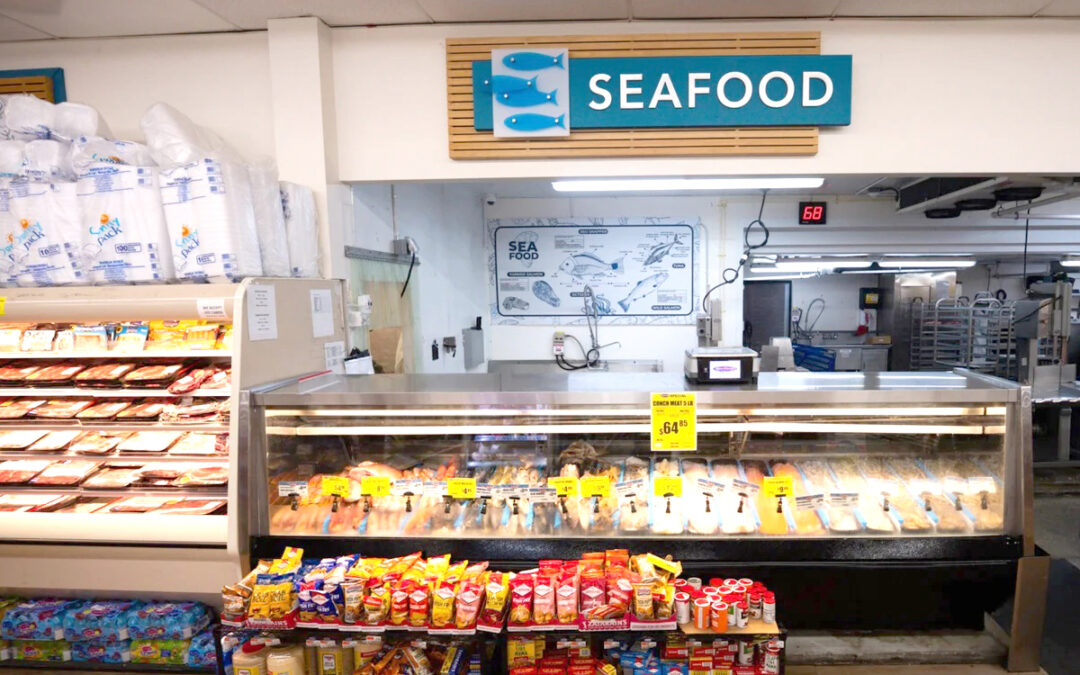
The seafood counter at Key Food North Miami reflects what is actually available from local and regional suppliers. Selection shifts throughout the year in response to the same coastal weather patterns and seasonal availability in Florida that this guide covers. That means the freshest choices on any given week are the ones that match what the water and the season are producing right now.
If you want seafood that is handled carefully and sourced with the neighborhood’s cooking styles in mind, Key Food North Miami is a reliable stop throughout the year. Visit the store, ask what came in fresh, and let the season guide what you bring home.
FAQs: Weather, Seasons, and Seafood in North Miami
- Why does seafood availability change throughout the year in North Miami? Seafood availability shifts because fish and shellfish follow water temperature, migrate seasonally, and are subject to regulated fishing seasons. Coastal weather also plays a direct role by affecting how often boats can go out and how much fresh catch reaches the market each week.
- Which season is best for buying fresh seafood in North Miami, FL? Winter and fall tend to offer the most consistent availability and stable pricing. Cooler water temperatures bring certain species closer to shore, storm risk is lower, and key seasons like stone crab and spiny lobster are active. Summer can be more variable due to hurricane season and heat.
- How does a hurricane or tropical storm affect seafood at local grocery stores? When a storm system develops, fishing boats stay docked for safety, which reduces the flow of fresh catch to distributors and stores. Stores may temporarily shift to previously frozen products or carry a smaller variety of fresh seafood until conditions stabilize.
- What seafood is typically in season during Florida summers? Warm-water species like mahi-mahi, wahoo, and shrimp are more active and available during summer months. While the season brings supply fluctuations due to storm activity, flexibility about which species you cook with keeps your options open.
- Is frozen seafood a good alternative when fresh supply is limited? Yes. Quality frozen seafood is often processed very close to the time of catch, which preserves freshness well. During periods of reduced fresh supply due to weather or seasonal shifts, properly frozen seafood is a reliable and safe option for home cooks.
- How can I tell what seafood is freshest at the store on any given week? Ask the staff at the seafood counter directly. They can tell you what arrived that day and what is moving well. That real-time information reflects current supply conditions far better than any predetermined shopping list.
- Where can I buy reliable, fresh seafood in North Miami, FL throughout the year? Key Food North Miami carries fresh seafood that reflects current seasonal availability and is handled with care from delivery through display. Whether you are shopping during peak stone crab season or navigating a quieter summer week, the store stocks options suited to how the neighborhood cooks.