
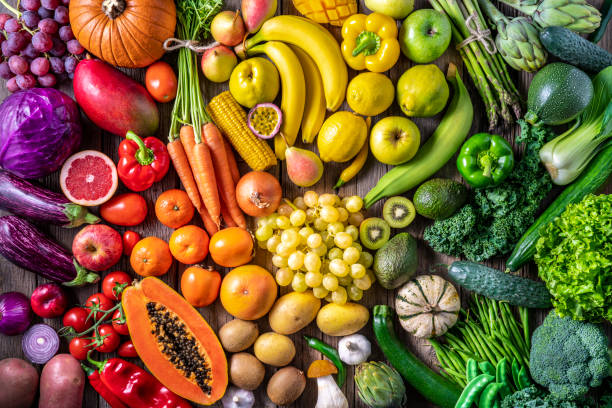
If you have ever stood in the produce section of a Caribbean or Latin grocery store and looked at a pile of unfamiliar roots and tubers without knowing where to start, this guide is for you. Tropical vegetables are not complicated once you know what they are, how they taste, and what to do with them in the kitchen.
For households that already cook in Caribbean, Haitian, Latin American, or West African traditions, many of these are weekly staples that show up in soups, stews, fritters, and side dishes without a second thought. For anyone coming to them fresh, they open up a range of textures and flavors that standard supermarket produce simply does not offer.
This guide covers the most common tropical vegetables and tropical root vegetables, how they taste, how to prepare them, what they pair well with, and how to use a convenient option like the Goya tropical vegetable mix when you want a shortcut without sacrificing the real thing.
What Are Tropical Vegetables?
Tropical vegetables are plants cultivated in tropical and subtropical climates, typically regions close to the equator with warm temperatures, high humidity, and consistent rainfall year-round. They include a wide range of plant types: starchy root vegetables, leafy greens, pods, and squash varieties, all adapted to grow in conditions where temperate-zone vegetables like potatoes, broccoli, and kale would not thrive.
What most tropical vegetables share is a density and heartiness that makes them well-suited to long, slow cooking. Many of the tropical root vegetables in this category carry significant starch content, which means they absorb flavors deeply during cooking and provide substantial body to soups and stews. Others are leafy and delicate, wilting quickly into sauces or eaten fresh.
The category of tropical fruits and vegetables overlaps in ways that can be confusing if you are coming from a culinary tradition that draws a clear line between sweet and savory. Plantains, breadfruit, and green papaya are technically fruits but are cooked and served as vegetables in most of the cuisines where they appear. This guide focuses primarily on the savory side of that category, the vegetables and starchy plants that appear in main dishes and sides rather than in desserts and sweet preparations.
The Most Common Tropical Root Vegetables
Yuca (Cassava)
Yuca, also called cassava or manioc, is one of the most widely eaten tropical root vegetables in the world. It is a long, thick root with brown bark-like skin and dense white flesh. The texture when cooked is firm but yielding, somewhere between a potato and a dense bread, and the flavor is mild and slightly nutty.
Yuca must be cooked before eating. It is toxic when raw due to naturally occurring compounds that break down with heat. Boiling is the most straightforward approach: peel the root, cut it into thick rounds or chunks, remove the fibrous central cord if present, and boil in salted water for 20 to 30 minutes until fork tender.
Boiled yuca is a side dish on its own, served with garlic and olive oil or mojo sauce in Cuban and Caribbean cooking. It can also be fried after boiling, producing crispy yuca fries that hold their shape better than potato fries and carry more flavor. In Brazilian cooking, yuca flour appears as farofa, a toasted accompaniment served alongside meat dishes.
Malanga (Taro)
Malanga is a tropical root vegetable central to Haitian cooking and widely used across the Caribbean and West Africa. It has a rough, hairy brown exterior and white or cream-colored flesh. The texture when cooked is denser and slightly more viscous than potato, and the flavor is earthier and more mineral-forward.
Malanga is the base of akra, the Haitian fritter made from grated malanga mixed with seasoning and sometimes dried shrimp or salted fish, then fried until crispy. It also appears boiled as a side dish, mashed with butter and garlic, or incorporated into soups where it breaks down and thickens the broth.
To prepare malanga, peel it with a sharp knife or vegetable peeler, cut into chunks, and boil in salted water for 20 to 25 minutes until fully tender. The skin is not edible and must be removed before cooking.
Batata (Caribbean Sweet Potato)
Batata, also called boniato or Cuban sweet potato, looks similar to a regular sweet potato on the outside but has white or cream-colored flesh rather than orange. The flavor is less sweet and more starchy than the orange sweet potato most North American cooks are familiar with, and the texture when cooked is drier and fluffier.
Batata is used in soups and stews across the Caribbean and Latin American cooking traditions, where its mild sweetness balances the savory depth of seasoned broths. It can be roasted, boiled, or mashed and holds its shape well enough to work in preparations where orange sweet potatoes would become too soft and sweet.
Ñame (Tropical Yam)
Ñame is a true tropical yam, distinct from the sweet potato that is often mislabeled as yam in North American supermarkets. It has a rough, scaly dark brown exterior and dense, starchy white flesh. The flavor is neutral and the texture is firm, becoming smooth and slightly sticky when cooked.
Ñame is one of the starchy root vegetables of tropical trees and plants that appears frequently in West African, Caribbean, and Latin American cooking. It is boiled and served as a side dish, incorporated into soups, or mashed. Its neutral flavor makes it an excellent base for absorbing the seasoning of whatever dish it is cooked into.
Chayote (Christophine)
Chayote is a mild, pale green squash-like vegetable that is technically a fruit but consistently used as a vegetable in Caribbean, Latin American, and Creole cooking. It has a crisp texture when raw and becomes tender but not mushy when cooked, which makes it one of the more versatile tropical vegetables for both raw and cooked preparations.
In Haitian legume, chayote is a core ingredient, adding texture and a mild sweetness that balances the rich, savory stew. In Latin cooking, it appears stuffed, sauteed, or added to soups. It can be eaten raw in salads where it contributes a refreshing, apple-like crunch.
Chayote requires minimal preparation. Peel it, remove the large flat seed in the center, and cut as needed for your recipe.
Tropical Leafy Vegetables and Greens
Callaloo
Callaloo refers to different leafy greens depending on where you are. In Jamaica and much of the English-speaking Caribbean, callaloo is the leafy green of the taro plant, cooked down with onion, garlic, scotch bonnet, and coconut milk into a thick, savory dish served alongside rice or ackee and saltfish. In Trinidad, callaloo refers to a soup made from dasheen leaves and okra.
In both contexts, the leaves are cooked low and slow until they wilt completely into the surrounding liquid. The flavor is earthy, slightly mineral, and richly savory when combined with the aromatics and fat that most callaloo recipes call for.
Watercress
Watercress is a peppery, slightly bitter leafy green that appears frequently in Haitian cooking, particularly in legume and soups. It wilts quickly when added to hot liquid and adds a distinctive sharp flavor that balances the richness of slow-cooked stews.
Unlike many tropical vegetables, watercress is available in most standard grocery stores, though the flavor intensity varies. Caribbean and Haitian cooks typically favor the more assertive flavor of locally sourced watercress over the milder supermarket varieties.
Okra
Okra is a pod vegetable with a mild, slightly grassy flavor and a mucilaginous quality that makes it a natural thickener for soups and stews. It is central to gumbo in Louisiana Creole cooking, to callaloo soup in Trinidad, and to many West African stew traditions that form the culinary foundation of Caribbean cooking.
The key to cooking okra without excessive sliminess is heat and timing. High heat in a dry pan or oil cooks it quickly and reduces the mucilage. Adding it to acidic preparations like tomato-based sauces also helps. Long, slow cooking in soups uses the mucilage intentionally as a thickener.
Tropical Starchy Vegetables Used as Sides and Starches
Plantains
Plantains are one of the most versatile tropical vegetables in Caribbean and Latin cooking and one of the most misunderstood by cooks unfamiliar with them. They look like bananas but are always cooked, at every stage of ripeness, and they behave differently depending on how ripe they are when you cook them.
Green plantains are starchy, firm, and almost entirely without sweetness. They are sliced thick and fried twice, smashed flat between fryings, to produce tostones, the crispy fried plantain rounds served with garlic sauce across the Caribbean and Latin America. They can also be boiled and served alongside savory dishes.
Yellow plantains with some black spotting are semi-ripe. They have begun to develop sweetness but are still firm enough to slice and fry without falling apart. This is the stage used for maduros, the sweet fried plantains that appear alongside rice and beans in Cuban, Dominican, and Puerto Rican cooking.
Fully black plantains are very sweet and very soft. They are used in sweeter preparations or mashed and incorporated into baked goods. For savory cooking, do not let plantains get to this stage.
Breadfruit
Breadfruit is a large, round tropical fruit that is cooked and eaten as a starchy vegetable across the Caribbean, Pacific Islands, and parts of West Africa. The interior flesh is dense, creamy, and mildly sweet when cooked, with a texture somewhere between bread and potato, which explains the name.
Breadfruit can be roasted whole in the oven or over charcoal, boiled and mashed, fried in slices, or added to soups and stews. Roasting it whole is the simplest approach. Pierce the skin, place it directly in a hot oven at 400 degrees Fahrenheit, and roast for 45 to 60 minutes until the skin is charred and the interior is tender. Peel, remove the core, and serve.
Using Goya Tropical Vegetable Mix
For cooks who want to work with tropical root vegetables without sourcing and prepping each one individually, the Goya tropical vegetable mix is a practical shortcut. The mix typically includes a combination of yuca, malanga, batata, and ñame, cleaned, cut, and ready to cook from frozen.
It is not a replacement for fresh tropical root vegetables in every application, but for soups and stews where the vegetables will cook down into the broth, the Goya tropical vegetable mix performs very well. It reduces prep time significantly, eliminates the peeling and cutting of multiple tough root vegetables, and produces results that are consistent and reliable.
To use the mix in a soup or stew, add the frozen vegetables directly to the simmering broth during the last 20 to 30 minutes of cooking. They do not need to be thawed first. The vegetables will absorb the flavors of the broth as they cook through and will help thicken the soup as the starches release.
The Goya tropical vegetable mix is well suited for sancocho, the hearty stew of meat and root vegetables eaten across the Dominican Republic, Puerto Rico, Colombia, and other Latin American countries. It also works well in Haitian bouyon, a similar meat and root vegetable soup. For these applications, the mix is one of the most useful convenience products available in a Caribbean-focused grocery store.
How to Build a Meal Around Tropical Vegetables
Understanding individual tropical vegetables is useful. Knowing how to combine them into a complete meal is where that knowledge becomes practical.
A Caribbean root vegetable soup. Start with a seasoned meat broth, chicken, beef, or pork, built on a base of garlic, onion, scotch bonnet, thyme, and scallion. Add Goya tropical vegetable mix or a combination of fresh yuca, malanga, batata, and ñame cut into large chunks. Simmer for 30 to 40 minutes until the root vegetables are tender and have thickened the broth. Finish with fresh cilantro or parsley and a squeeze of lime. This is the structure of sancocho, bouyon, and dozens of related soups across the region.
Tostones and fried yuca as a side plate. Boil yuca chunks until tender, then fry in hot oil until golden. Fry thick green plantain slices, smash them flat, and fry again until crispy. Arrange both on a plate with a garlic dipping sauce. This combination appears across Cuban, Dominican, and Puerto Rican cooking and works as a side dish for grilled meat or fish.
Legume with root vegetable additions. The Haitian stew legume can incorporate malanga, chayote, and batata alongside the standard eggplant and cabbage base. Each root vegetable adds texture and absorbs the epis-seasoned stew as it cooks. The result is a more substantial pot that feeds more people and carries even more depth.
Akra from fresh malanga. Peel and grate raw malanga into a bowl. Season with garlic, scotch bonnet, scallion, parsley, salt, and black pepper. Add small pieces of dried shrimp or bacalao if using. Fry spoonfuls in hot oil until deep golden and crispy. Serve immediately. This is one of the most direct ways to understand what malanga tastes like and why it holds the place it does in Haitian cooking.
Find Tropical Vegetables at Key Food North Miami
Key Food North Miami stocks the tropical vegetables that appear throughout this guide as regular inventory, not specialty items. Yuca, malanga, batata, chayote, plantains at every ripeness level, breadfruit, okra, and watercress are available in the produce section. The Goya tropical vegetable mix and other frozen Caribbean vegetable products are stocked in the freezer aisle.
For anyone building a kitchen around Caribbean, Haitian, or Latin American cooking, having a local Little River, FL grocery store that treats these ingredients as staples rather than occasional specialty stock makes the difference between a weekly routine that works and one that requires driving across Miami for half the shopping list.
Visit Key Food North Miami, pick up what you need from the produce section and the freezer aisle, and start cooking with tropical vegetables the way this neighborhood has always cooked.
FAQs: Tropical Vegetables
- What are the most common tropical vegetables used in Caribbean cooking?
The most common tropical vegetables in Caribbean cooking include yuca, malanga, chayote, plantains, okra, batata, ñame, breadfruit, and callaloo. These appear across Haitian, Jamaican, Cuban, Dominican, Puerto Rican, and Trinidadian cuisines in soups, stews, fritters, and side dishes. Most are available at Caribbean-focused grocery stores like Key Food North Miami. - What is the difference between tropical fruits and vegetables?
The distinction between tropical fruits and vegetables is often botanical rather than culinary. Plantains, breadfruit, and green papaya are technically fruits but are cooked and eaten as vegetables in savory preparations across Caribbean and Latin American cuisines. In practical cooking terms, if it is used in a savory dish and cooked without sugar, it functions as a vegetable regardless of botanical classification. - What is a starchy root vegetable of a tropical tree?
Several tropical root vegetables fit this description, including yuca, which comes from the cassava plant, ñame, a true tropical yam, and malanga, a corm related to taro. All three are dense, starchy, and require cooking before eating. They are widely used in Caribbean, West African, and Latin American cooking as the starch base for soups, stews, and side dishes. - How do I use the Goya tropical vegetable mix?
The Goya tropical vegetable mix is a frozen blend of pre-cut tropical root vegetables, typically including yuca, malanga, batata, and ñame. Add it directly to a simmering soup or stew without thawing, during the last 20 to 30 minutes of cooking. It works well in sancocho, Haitian bouyon, and any Caribbean meat and root vegetable soup. It significantly reduces prep time without sacrificing the authentic flavor of fresh root vegetables cooked in a seasoned broth. - How do I cook plantains at different stages of ripeness?
Green plantains are best for tostones: slice thick, fry once, smash flat, and fry again. Yellow plantains with black spots are best for maduros: slice on a diagonal and pan-fry until caramelized and golden. Fully black plantains are very sweet and best used in baked goods or sweet preparations rather than savory cooking. - What is malanga and how do I prepare it?
Malanga is a tropical root vegetable with rough brown skin and dense white or cream-colored flesh. It is central to Haitian cooking and used in akra fritters, soups, and as a boiled side dish. To prepare it, peel with a sharp knife, cut into chunks, and boil in salted water for 20 to 25 minutes until fork tender. For akra, grate it raw before peeling. - Where can I buy tropical vegetables in North Miami, FL?
Key Food North Miami carries a full range of tropical vegetables including yuca, malanga, chayote, batata, plantains, okra, watercress, and breadfruit in the produce section, as well as the Goya tropical vegetable mix in the freezer aisle. For Caribbean, Haitian, and Latin American cooking, the store is stocked to handle a full weekly shop without requiring specialty sourcing elsewhere.