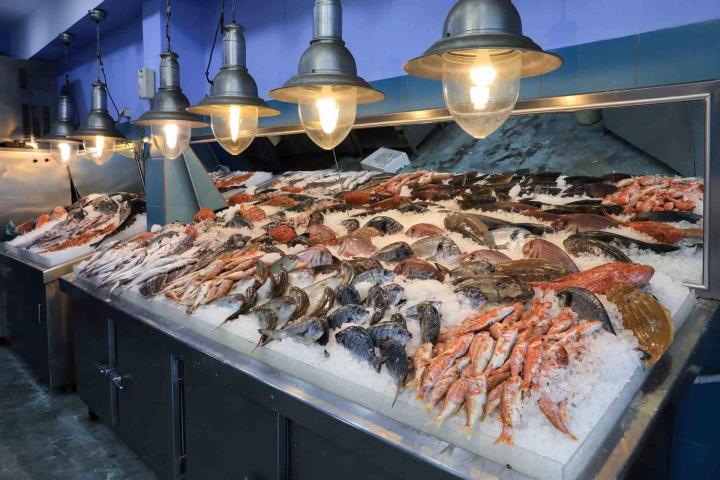
Walk up to a well-stocked fish counter and you will see a wide variety of options on any given day. Some of it came in fresh that morning from local waters. Some of it was previously frozen and sourced from far away. Both have their place, but knowing the difference, and knowing what is genuinely in season right now, changes how you shop, how much you spend, and how good your meal tastes.
If you buy seafood in North Miami, FL regularly, this guide gives you the full picture. A month-by-month breakdown of what is fresh and locally sourced, why in-season still matters even when imports are available year-round, how to ask the right questions at the fish counter, what to expect on price, and a quick reference calendar you can save for your next trip.
Why “In Season” Still Matters When Imports Are Available Year-Round
Walk into any large supermarket and you can find salmon, tilapia, and shrimp in every month of the year. Global seafood supply chains make that possible, and there is nothing wrong with it. But locally sourced, in-season fish in North Miami, FL is a different product in almost every meaningful way.
Freshness. A fish pulled from Florida waters and on the counter within 24 to 48 hours is in a different category from one that was frozen at sea, shipped across a continent, and thawed at a distribution center. The texture, the smell, and the flavor reflect that difference clearly when you cook it.
Price. When a species is running strong locally, supply is high and prices drop. When supply tightens because a species is out of season or weather has disrupted fishing, prices climb or the product disappears from the fresh counter entirely. Shopping with the season is one of the most reliable ways to get better quality for less money.
Sustainability. Buying local catch in North Miami, FL supports Florida’s fishing community and reduces the environmental cost of long-distance transport. Seasonal seafood also tends to align with healthier fish populations, as regulated seasons are set in part to allow stocks to recover and reproduce.
Taste. Fish that is in season and locally caught is simply at its peak. The fat content, texture, and flavor of most species are best when they are most active in local waters. A grouper in season in Florida tastes like grouper is supposed to taste.
Florida’s Seasonal Seafood Calendar: Month by Month
January and February: Grouper, Stone Crab, Yellowtail Snapper, Pompano
Winter is one of the strongest seasons for seafood in North Miami, FL. Cooler Atlantic water temperatures concentrate several highly sought species in accessible fishing zones.
Grouper is at or near its best in January and February. Both red grouper and gag grouper are active in Gulf and Atlantic waters, and local catch in North Miami, FL reflects that with strong supply and competitive pricing at good fish counters. Grouper is a firm, mild white fish that holds up well to most cooking methods, making it one of the most versatile options of the winter season.
Stone crab season runs from mid-October through May, but January and February represent the heart of that season. Only the claws are harvested, the crab is returned to the water, and the claws regenerate over time. This makes stone crab one of Florida’s most sustainably managed shellfish. Fresh claws are widely available at local markets during these months, typically served chilled with mustard sauce.
Yellowtail snapper is a year-round resident of South Florida’s reefs but tends to be most reliably available and well-priced during cooler months when fishing conditions are favorable. It is a slightly sweet, delicate fish that responds well to simple preparations.
Pompano is a Florida favorite and winter is prime time. This rich, buttery fish is caught along the Atlantic coast and is considered by many to be among the finest eating fish in Florida waters. When pompano is running, it is worth buying.
March and April: Mutton Snapper, Mahi-Mahi Begins, Hogfish, Kingfish
Spring brings a transition in Florida’s seasonal seafood calendar as water temperatures begin to rise and different species become more active.
Mutton snapper comes into stronger availability in spring. A deeper-bodied snapper with a slightly more pronounced flavor than yellowtail, mutton snapper is a staple of South Florida reef fishing and a regular feature at fish counters that source locally during this season.
Mahi-mahi starts its run as spring progresses. One of Florida’s most iconic offshore fish, mahi is a fast-growing, sustainable species that responds well to warming Atlantic waters. By April it is appearing more consistently at local markets, and prices begin to reflect the improving supply.
Hogfish is one of the more prized and less widely known fish in Florida waters. It feeds on shellfish and crustaceans, which gives its flesh a sweet, delicate flavor unlike most other reef fish. Hogfish is rarely found frozen and almost never imported, which means when you see it fresh at a fish counter sourcing local catch in North Miami, FL, it is worth buying on the spot.
Kingfish, also known as king mackerel, begins its spring run along the Atlantic coast. A large, oily, flavorful fish, kingfish is excellent smoked, grilled, or prepared in bold marinades that complement its richness.
May and June: Mahi-Mahi Peak, Mackerel Runs, Spiny Lobster Closes
Late spring and early summer mark the height of mahi-mahi season. This is when supply is strongest, prices are most favorable, and the fish is at its best. If mahi-mahi is a regular in your kitchen, May and June are the months to buy it fresh and, if storage allows, freeze some for later in the year.
Spanish mackerel runs strong through late spring before summer heat pushes the schools into different patterns. Spanish mackerel is smaller and milder than kingfish and works well for grilling, baking, or pan-searing with simple seasoning.
Spiny lobster season closes at the end of March for the commercial season and at the end of July for the sport season. If you want local spiny lobster before the season closes, late spring is your last reliable window until August.
July and August: Wahoo, Mahi-Mahi, Spiny Lobster Season Opens
Summer in South Florida means heat and hurricane season, both of which affect what fish is fresh now in Florida and how consistently it reaches local markets. Storm systems can ground boats for days at a time, causing short-term supply gaps at the fresh counter.
Wahoo is a summer highlight. One of the fastest fish in the ocean, wahoo has firm, white flesh with a mild flavor and very low fat content. It holds up well to grilling and high-heat cooking and is a reliable option when it is running.
Mahi-mahi remains available through the summer, though supply can fluctuate with weather disruptions. When conditions allow for offshore fishing, mahi continues to be a strong option.
Spiny lobster season reopens in August for the recreational sport season and commercially in September. Late August marks the beginning of the new lobster cycle, and the early weeks of a new season often bring strong local catch in North Miami, FL as fishing pressure picks up after the closed season.
September and October: Grouper Season Opens, Stone Crab Returns, Spiny Lobster
Fall is one of the best times of year for Florida seasonal seafood, and for shoppers buying seafood in North Miami, FL, it often means the widest selection of quality local fish at reasonable prices.
Red grouper season on the Atlantic side opens in the fall, and combined with favorable post-hurricane fishing conditions, this brings a noticeable improvement in fresh grouper supply at local markets.
Stone crab season opens October 15 each year. The first weeks of stone crab season typically bring strong supply and excited demand in equal measure. Fresh claws are at their most available from mid-October onward, and quality is excellent in the early part of the season.
Spiny lobster commercial season is active from August through March, with fall representing one of the most productive stretches. Local fish markets that source Florida spiny lobster directly offer a noticeably different product from the imported cold-water lobster tails that fill supermarket freezers.
November and December: Full Winter Lineup Returns
By November, the full winter lineup of in season fish in Florida is coming back into play. Pompano returns in force, grouper supply strengthens, yellowtail snapper is consistent, and stone crab is in full season. This is one of the most rewarding times of year to visit a fish counter that sources locally, as variety and freshness are both at a seasonal peak heading into the winter months.
Quick Reference: Florida Seasonal Seafood Calendar
| Species | Peak Season | Notes |
| Stone Crab | Mid-October through May | Claws only, highly sustainable |
| Spiny Lobster | August through March | Florida native, distinct from cold-water lobster |
| Grouper | Fall through Spring | Multiple varieties, mild and versatile |
| Pompano | November through March | Rich, buttery, highly regarded |
| Yellowtail Snapper | Year-round, best in winter | Delicate and sweet |
| Mutton Snapper | Spring and Summer | Firmer flavor than yellowtail |
| Mahi-Mahi | March through July peak | Widely available, sustainable |
| Hogfish | Winter through Spring | Rare, sweet, almost never frozen |
| Wahoo | Summer and Fall | Firm, mild, excellent grilled |
| Kingfish | Spring and Fall runs | Bold flavor, best smoked or grilled |
| Spanish Mackerel | Late Spring | Milder than kingfish, versatile |
Save this table for your next visit to the fish counter. It will not tell you exactly what arrived this morning, but it will tell you what to ask about and when to expect the best quality and pricing throughout the year.
How to Ask the Fish Counter the Right Questions
Knowing the seasonal seafood guide in Miami is only part of the equation. Knowing how to use that knowledge at the counter makes the difference between buying what looks good and buying what is actually at its best.
Ask what came in fresh that morning. This is the single most useful question you can ask. A fish counter that sources locally will know exactly what arrived that day and from where. Fresh arrivals have not been sitting in the case for multiple days, and the staff who handle them know how they should look, smell, and cook.
Ask what was previously frozen. There is no shame in buying previously frozen seafood. Much of it is excellent, particularly if it was frozen close to the time of catch. But knowing which items are fresh and which are frozen helps you make an informed choice about what you are buying and what to expect when you cook it.
Ask about the source. Local catch in North Miami, FL means Florida waters. If a fish counter is sourcing from local suppliers, they will know it and say so. If the answer is vague or uncertain, that is useful information too.
Ask for a recommendation based on what is freshest. Counter staff at a good fish market are often the best resource in the building. If you tell them what you are cooking and ask what is best right now, you will almost always get a better answer than choosing by appearance alone.
What to Expect on Price as the Seasons Shift
Price is one of the most reliable signals of what is actually in season and locally available. When local supply is strong, prices on that species come down. When supply tightens, prices go up or the fresh product disappears entirely.
A few patterns are consistent year after year for seafood in North Miami, FL.
Stone crab claws drop in price as the season progresses from October into the winter months and supply builds. Early-season excitement and limited initial supply mean the first few weeks carry a premium. By January and February, prices typically stabilize at a more accessible level.
Mahi-mahi is most affordable during its May through July peak when boats are bringing in consistent catches. Outside of that window, prices reflect tighter supply and more reliance on imported or previously frozen products.
Grouper carries a year-round premium because it is consistently in demand and the regulatory season on some varieties limits supply. When local grouper is running strong in fall and winter, prices tend to be as favorable as they get for this species.
Hogfish almost always carries a premium price regardless of season, simply because it is rarely available in quantity, almost never imported, and widely recognized as one of the best-tasting fish in Florida waters. When you see it fresh and fairly priced, it is a sound buy.
If a species you want is priced unusually high or absent from the fresh case, that is a reliable signal that local supply is limited. Flexibility on species, guided by the seasonal seafood guide in Miami above, helps you find quality at a better price point in any month of the year.
How the Fish Counter Rotates Its Case Based on What Is Landing Locally
A fish counter that sources from local suppliers does not set its case once a week and leave it. What lands locally on Tuesday may be different from what came in on Saturday, and a well-run counter reflects that in real time.
At Key Food North Miami, the fish counter is stocked with an eye on what is landing from Florida waters and what reflects the seasonal availability in Florida at any given point in the year. When stone crab is in season, you find it. When mahi is running, it moves to the front of the case. When a species has a gap in local supply, the counter adjusts rather than filling the space with a low-quality substitute.
That rotation is not just about variety for its own sake. It is about connecting shoppers buying seafood in North Miami, FL to fish that is genuinely at its best right now, priced fairly because local supply supports it, and handled with the care that makes the difference between a meal you feel good about and one you wish you had chosen differently.
Visit the fish counter at Key Food North Miami, ask what came in fresh today, and let the season guide what you bring home. That habit, more than any recipe or technique, is what makes Florida seafood as good as it should be.
FAQs: Florida Seasonal Seafood and North Miami Fish Markets
- What seafood is in season right now in Florida? Florida’s seasonal seafood shifts throughout the year. Stone crab runs mid-October through May. Spiny lobster is available August through March. Grouper, pompano, and yellowtail snapper peak in winter. Mahi-mahi peaks from March through July. For the most accurate current answer, ask the fish counter what came in fresh that morning, as local landing conditions change week to week.
- Why does buying in-season seafood in North Miami, FL matter if imports are available year-round? In-season local catch is fresher, typically better priced, and at its flavor peak compared to imported or previously frozen alternatives. It also supports Florida’s fishing community and aligns with sustainable fishing practices that allow fish populations to recover between seasons.
- How do I know if the fish at the counter is fresh or previously frozen? Ask directly. A reputable fish counter will tell you which items arrived fresh that day and which are previously frozen. Fresh arrivals from local waters will often come with information about when they landed. If the counter cannot or will not answer that question, that is worth noting.
- What is the best time of year to buy stone crab in North Miami? Stone crab season runs from mid-October through May. The heart of the season, January through March, typically offers the best combination of supply, quality, and price. Early season excitement in October and November can push prices higher before supply builds.
- Is hogfish available year-round at fish markets in North Miami? Hogfish is available primarily in winter and spring when local fishing conditions support its harvest. It is almost never imported and rarely frozen, which means availability is genuinely tied to local catch. When you see it fresh at the counter, it is worth buying because it may not be there the following week.
- How does hurricane season affect fresh seafood availability in North Miami? When storm systems develop in the Atlantic or Gulf, fishing boats stay docked for safety. This pauses the flow of fresh local catch to markets, sometimes for several days. During active storm periods, counters may rely more heavily on previously frozen products or carry reduced variety. Flexibility on species during summer and early fall helps manage around these gaps.
- Where can I find fresh, locally sourced seafood in North Miami, FL throughout the year? Key Food North Miami stocks its fish counter based on what is landing locally and what reflects Florida’s seasonal seafood calendar at any given time. The counter rotates based on current supply, and staff can tell you what came in fresh that day, what was previously frozen, and what is at its seasonal best right now.