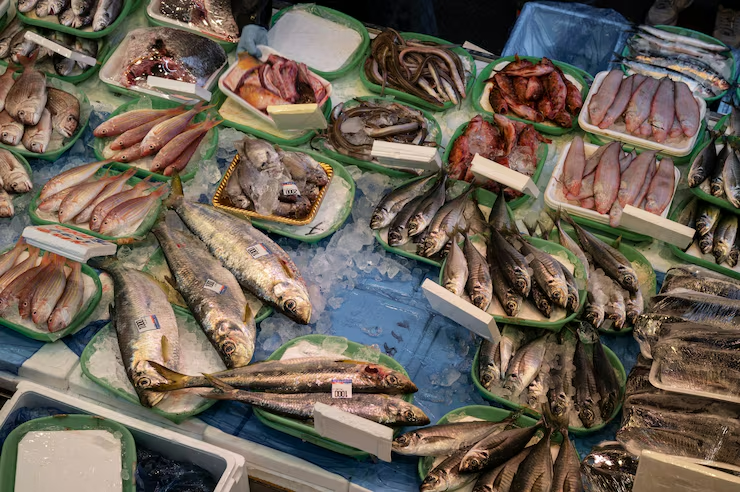
North Miami is home to one of the largest Haitian communities in the United States, and that presence shapes the way people cook, shop, and think about food throughout the neighborhood. Seafood is central to that story. From grilled whole fish on a charcoal fire to rich conch stews and crispy malanga fritters, the seafood traditions of Haiti and the broader Caribbean are alive in kitchens across this area every day.
If you buy seafood in North Miami, FL and cook in these traditions, the fish counter is more than a place to pick up protein. It is a sourcing point for the specific cuts, species, and preparations that make these dishes work. This guide walks through the key dishes, what fish to ask for, how to talk to the fishmonger, and what supporting ingredients to grab on the same trip.
Why the Right Fish Counter Matters for Caribbean Cooking
Caribbean and Haitian seafood dishes are built around specific fish varieties and specific preparations. A recipe for pwason boukannen does not work the same way with a boneless fillet from an industrial tray as it does with a whole snapper scored and seasoned to the bone. Escovitch fish needs a firm-fleshed species that holds its shape in hot oil and acidic marinade. Lambi requires conch that has been properly tenderized, which is a conversation worth having at the counter before you buy.
A fish counter that serves the North Miami Haitian community understands these distinctions. The staff know what whole fish means in this context, how to score for seasoning, what thickness works for frying versus grilling, and which species the neighborhood’s cooks actually reach for. That knowledge is part of what makes sourcing locally for Caribbean fish dishes in North Miami, FL so much more useful than guessing at a generic supermarket counter.
Pwason Boukannen: Grilled Whole Fish
Pwason boukannen is one of the most recognizable dishes in Haitian seafood cooking. The name translates roughly to smoked or grilled fish, and the preparation centers on a whole fish, deeply scored, packed with a seasoning paste of garlic, scotch bonnet, parsley, thyme, and epis, then grilled over charcoal until the skin is charred and the flesh pulls easily from the bone.
What fish to ask for. Whole red snapper is the most common choice for pwason boukannen and the one most Haitian cooks reach for first. It has the right size, firm flesh, and flavor to hold up to bold seasoning and direct heat. Whole porgy, also called bream or dorade, is a good alternative when snapper is not available. Whole tilapia works in a pinch but has a milder flavor that absorbs seasoning differently.
How to talk to the fishmonger. Ask for a whole fish, gutted and scaled, with the head on. Tell them you are grilling it and ask them to score it for you if they offer that service. Scoring means making deep cuts through the skin down to the bone on both sides, which allows the seasoning to penetrate all the way through and helps the flesh cook evenly over high heat. If the counter does not score, ask what size fish they recommend for a single serving versus a shared plate.
Supporting ingredients to grab on the same trip. Scotch bonnet peppers, garlic, fresh thyme, parsley, scallions, and limes are the core of most epis-based marinades. If the store carries epis already prepared, that saves time, but fresh aromatics give you more control over the flavor.
Pwason Fri: Fried Whole Fish
Pwason fri is fried fish, and in Haitian cooking it is typically a whole fish rather than a fillet, seasoned with epis and sometimes a dry rub before going into hot oil. The result is crispy skin, moist flesh, and a browned exterior that holds seasoning the way a fillet never quite does.
What fish to ask for. Whole red snapper is again the standard, but smaller whole fish work especially well for frying because they cook through more evenly. Whole yellowtail snapper, whole porgy, and smaller whole tilapia are all good options. Ask for fish in the one to two pound range for individual portions, or slightly larger if you prefer more flesh relative to bone.
How to talk to the fishmonger. Mention that you are frying the fish whole and ask whether they can score it. For frying, shallower scores work better than the deep cuts used for grilling. Let them know the size you want so they can help you choose from what is available that day. If snapper is not in, ask what whole fish came in fresh and is firm enough for frying.
Supporting ingredients to grab on the same trip. Epis or the ingredients to make it, sour orange juice or lime for the marinade, and vegetable or canola oil in sufficient quantity for deep frying. Pikliz, the spicy pickled vegetable condiment, is the traditional accompaniment and can often be found prepared in the store. If not, cabbage, carrots, scotch bonnets, and white vinegar are what you need to make it.
Pwason Gwo Sèl: Salt Fish Preparations
Salt fish, or pwason gwo sèl, is a preserved seafood tradition with deep roots in Haitian and broader Caribbean cooking. Salted codfish is the most common form, though other salted fish are used in different preparations. The fish is soaked to remove excess salt, then prepared in a variety of ways, often with onions, peppers, tomatoes, and aromatics.
What fish to ask for. Salted codfish is the standard and is typically sold in dried and salted form rather than at the fresh counter. Ask the fishmonger or the dry goods section for bacalao, which is the Spanish-language name commonly used for salted cod in Caribbean markets. Some stores also carry salted herring or salted mackerel, which are used in specific preparations.
How to talk to the fishmonger. For salt fish, the question to ask is whether the store carries boneless or bone-in bacalao and in what quantities. Boneless is easier to work with but costs more. Bone-in requires more preparation but has fuller flavor. Ask about soaking recommendations if you are newer to the ingredient, as the soaking time varies with the thickness and salt content of the specific product.
Supporting ingredients to grab on the same trip. Onions, tomatoes, scotch bonnet peppers, scallions, garlic, and olive oil are the foundation of most salt fish preparations. Avocado is a traditional accompaniment in Haitian cooking. If you are making ackee and saltfish, the Jamaican version of this preparation, canned ackee is typically stocked in Caribbean grocery sections.
Akra: Malanga and Fish Fritters
Akra are Haitian fritters made from grated malanga, a starchy root vegetable, mixed with seasoning and sometimes small pieces of salted fish or dried shrimp, then fried until crispy. They are a popular street food and appetizer, and the fish component is secondary to the malanga base but adds depth of flavor that makes the fritter distinctly savory.
What fish to ask for. Small dried shrimp or small pieces of bacalao are the most common fish additions to akra. Dried shrimp are typically found in the dry goods or international foods section rather than at the fresh counter. If you prefer a fresher preparation, finely chopped fresh shrimp can be used instead, in which case small raw shrimp from the counter works well.
How to talk to the fishmonger. For akra, the fish counter question is simple. Ask for small raw shrimp, peeled or unpeeled, and roughly what quantity you need for the batch of fritters you are making. If the store carries dried shrimp, ask where to find them, as they are not always shelved where you might expect.
Supporting ingredients to grab on the same trip. Malanga root is the essential ingredient and is typically stocked in the tropical produce section. Scotch bonnet, garlic, scallions, and parsley round out the seasoning. Oil for frying is the other essential.
Lambi: Conch Preparations
Lambi is conch, and it is one of the most culturally significant seafood preparations in Haitian cooking. Conch stew, fried conch, and conch in sauce are all part of the tradition. The key challenge with conch is tenderizing it properly, as the meat is naturally very firm and requires pounding or slow cooking to become tender enough to enjoy.
What fish to ask for. Ask for conch meat at the seafood counter. Some stores carry it already cleaned and tenderized, which saves significant preparation time. Others carry it whole or in a less processed state. Frozen conch meat is common and acceptable. Ask whether the conch available has already been tenderized or whether you will need to pound it at home.
How to talk to the fishmonger. This is one of the more important counter conversations for Caribbean seafood cooking. Ask directly whether the conch has been tenderized. If not, ask how long it has been frozen, as a longer freeze actually helps break down the tough fibers somewhat. Mention how you plan to prepare it, whether as a stew, fried, or in a sauce, so the fishmonger can advise on the best form to buy.
Supporting ingredients to grab on the same trip. For conch stew, you need onion, garlic, scotch bonnet, tomato paste, thyme, and bell peppers. For fried conch, a seasoned batter and oil. Lime or sour orange for the initial marinade is standard across most conch preparations. Fresh conch is often marinated in citrus and aromatics before cooking regardless of the final dish.
Escovitch Fish: The Jamaican and Caribbean Classic
Escovitch fish is widely eaten across the Caribbean, including within the North Miami Haitian community and among Jamaican, Trinidadian, and other Caribbean households in the neighborhood. It involves whole fried fish topped with a vinegar-based pickled vegetable mixture of onions, carrots, scotch bonnets, and allspice. The vinegar marinade soaks into the crispy fish as it rests, creating a dish that is both bright and rich.
What fish to ask for. Whole snapper is the traditional choice. Red snapper and yellowtail snapper both work well. The fish needs to be firm enough to hold up to frying and then to sitting under the acidic escovitch topping without falling apart. Ask for a whole fish in the one to two pound range, scaled and gutted.
How to talk to the fishmonger. Let the fishmonger know you are frying the fish whole for escovitch. Ask for scoring if available. Confirm that the flesh is firm and that the fish is fresh, as escovitch is served at room temperature after resting and you want a fish that holds its texture through that process.
Supporting ingredients to grab on the same trip. White or cider vinegar, onion, carrot, scotch bonnet, allspice berries, and bell pepper are the core of the escovitch topping. Oil for frying is essential. Some cooks add a small amount of sugar to balance the acidity of the topping.
Brown Stew Fish: A Slow-Cooked Caribbean Staple
Brown stew fish is a rich, deeply flavored dish common across Jamaica and much of the Caribbean. Fish fillets or whole fish are first seasoned and lightly fried, then braised in a savory brown sauce built from caramelized sugar, onions, garlic, tomatoes, scotch bonnet, thyme, and allspice. The result is a sticky, flavorful stew that absorbs into the fish over low heat.
What fish to ask for. Snapper fillets or steaks are most commonly used, as they hold together through the braising process better than very delicate fish. Grouper is an excellent choice when available, as its firm texture survives the two-step frying and braising process without falling apart. Ask for skin-on fillets or bone-in steaks depending on your preference.
How to talk to the fishmonger. Tell them you are making a braised fish dish and ask for a firm-fleshed fish cut in steaks or thick fillets. Mention the portion size you need so they can guide you on weight. Ask what came in fresh that day and let them steer you toward the best option for a braise if snapper or grouper is not available.
Supporting ingredients to grab on the same trip. Browning sauce or burnt sugar for the base color, onion, garlic, scotch bonnet, tomato, bell pepper, thyme, allspice, and green onion. Some cooks add ketchup or tomato paste for body. Rice and peas is the traditional accompaniment, so kidney beans and coconut milk if you are making the full plate.
Ackee and Saltfish: The Jamaican National Dish
Ackee and saltfish is the national dish of Jamaica and is widely eaten across Caribbean households in North Miami. Salted codfish is soaked, shredded, and cooked with onions, tomatoes, scotch bonnet, and ackee, a tropical fruit that resembles scrambled eggs in texture when cooked. It is traditionally a breakfast dish but is eaten at any meal.
What fish to ask for. Salted codfish is the only fish used in traditional ackee and saltfish. Look for boneless bacalao in the dry goods section. The quality of the salt fish matters significantly in this dish because its flavor is front and center. Ask the store staff where the bacalao is stocked and whether they carry boneless or bone-in options.
Supporting ingredients to grab on the same trip. Canned ackee is the standard form available at most Caribbean grocery stores in North Miami, as fresh ackee is not widely distributed in the United States. Onion, tomato, scotch bonnet, scallion, thyme, and black pepper complete the dish. Some cooks add sweet pepper for color and mild sweetness.
How to Get More Out of Every Visit to the Fish Counter
The fish counter at a store that serves the North Miami Haitian community is a resource, not just a display case. The staff handle these species and these cuts every day and understand what local cooks need. A few habits make every visit more useful.
Tell them what you are making. You do not need to explain the full recipe. Just naming the dish, pwason boukannen, lambi, escovitch, brown stew, gives the fishmonger enough context to guide you toward the right species, cut, and preparation.
Ask what is fresh today. Supply changes throughout the week. The best snapper might be Tuesday’s catch. The conch might have come in on Thursday. Asking what arrived fresh that morning aligns your cooking with what is actually at its best right now.
Ask about tenderizing and scoring. Many fish counters in neighborhoods with strong Caribbean cooking traditions offer basic preparation services. Scoring a whole fish for grilling, cleaning conch, or advising on soaking times for salt fish are conversations worth starting at the counter rather than figuring out at home.
Build your whole shopping list around the fish. The aromatics, peppers, tropical produce, and pantry staples that complete these dishes are often available in the same store. Grabbing everything on one trip, starting with the fish counter and building outward, is more efficient and helps you confirm you have everything before you leave.
Find What You Need for Haitian and Caribbean Cooking at Key Food North Miami
Key Food North Miami stocks its seafood counter with the North Miami Haitian community and broader Caribbean neighborhood in mind. Whole fish species suited to grilling and frying, conch, salted cod, shrimp, and the rotating selection of local catch that reflects what is fresh in Florida waters are all part of what the counter carries throughout the year.
The store also carries the supporting ingredients that complete these dishes, from tropical produce and scotch bonnets to epis, pikliz, browning sauce, canned ackee, and the dry goods sections that stock bacalao and dried shrimp. If you are cooking Haitian seafood recipes or any of the broader Caribbean fish dishes that define this neighborhood’s food culture, Key Food North Miami is built to be your sourcing point.
Visit the fish counter, tell them what you are making, and ask what came in fresh. That conversation is where the meal starts.
FAQs: Haitian and Caribbean Seafood Shopping in North Miami
- What is the best fish to buy for pwason boukannen at a North Miami fish market? Whole red snapper is the traditional and most common choice for pwason boukannen. It has firm flesh, a flavor that holds up to bold seasoning and charcoal heat, and a size range that works for both individual and shared portions. Ask for it whole, gutted and scaled, with scoring if the counter offers that service.
- Where can I find conch for lambi in North Miami, FL? Conch is carried at fish counters that serve Caribbean communities, including those in North Miami. Ask specifically for conch meat and whether it has been tenderized. Frozen conch meat is widely available and works well for stew and braised preparations. Confirm with the fishmonger how it was handled so you know what preparation it needs at home.
- What is akra and what seafood goes into it? Akra are Haitian fritters made from grated malanga root, seasoned and fried until crispy. The seafood component is typically dried shrimp or small pieces of salted codfish mixed into the batter. Fresh small shrimp can also be used. The malanga root is the primary ingredient and can usually be found in the tropical produce section of a Caribbean-focused grocery store.
- How do I ask the fishmonger for the right cut for Caribbean dishes? Tell the fishmonger the name of the dish you are making or describe the preparation method, whole and grilled, whole and fried, braised fillets, or stew. That context helps them guide you toward the right species, size, and cut for what you are cooking. Ask whether they offer scoring for whole fish and what came in fresh that day.
- Can I find salted codfish for pwason gwo sèl and ackee and saltfish at North Miami grocery stores? Yes. Salted codfish, often labeled as bacalao, is typically stocked in the dry goods or international foods section of grocery stores serving Caribbean communities in North Miami. It comes in boneless and bone-in forms. Boneless is easier to work with; bone-in has fuller flavor and costs less. Soak it in cold water for several hours, changing the water at least once, to remove excess salt before cooking.
- What supporting ingredients should I grab on the same trip as my fish for Haitian recipes? The core aromatics used across most Haitian seafood dishes include scotch bonnet peppers, garlic, fresh thyme, parsley, scallions, sour orange or lime, and epis if available prepared. Pikliz ingredients or prepared pikliz, plantains, malanga, and avocado are common accompaniments depending on the dish. Building your full shopping list around the fish counter saves time and ensures you leave with everything you need.
- Where can I buy seafood in North Miami, FL for Haitian and Caribbean cooking? Key Food North Miami carries whole fish, conch, shrimp, and salted cod suited to Haitian seafood recipes and Caribbean fish dishes. The fish counter is stocked with the neighborhood’s cooking traditions in mind, and the store also carries the tropical produce, aromatics, and Caribbean pantry staples that complete these dishes in one trip.