Little River is one of those Miami neighborhoods that does not announce itself. It does not have a marquee attraction or a well-known strip that draws visitors from across the city. What it has is something more useful: a genuine neighborhood identity built over decades by the people who live and work there, cook in its kitchens, and shop along its streets every week.
If you are new to Little River, looking to understand it better, or simply trying to figure out how to shop and eat well in this part of Miami, this guide gives you a grounded picture of what makes the neighborhood distinct and how a good Little River, FL grocery store fits into the daily rhythm of life here.
What Makes Little River Its Own Place
Little River sits just north of Miami’s urban core, bordered by Buena Vista, Miami Shores, and the Miami River basin that gives the neighborhood its name. It does not look like a single unified district because it is not. It is a layered neighborhood where long-established residential blocks sit alongside warehouses being converted into design studios, where Haitian-owned businesses anchor commercial strips that are starting to attract a younger creative class, and where the food you find reflects all of that complexity at once.
The Haitian cultural identity. The Little River Haitian community is one of the defining forces of the neighborhood. Little Haiti, which borders Little River to the south, is the more widely recognized name, but the Haitian cultural presence extends well into Little River itself. You hear Haitian Creole on the street, see it on storefronts, and most importantly for anyone thinking about food and grocery shopping, you find it in the ingredients, the prepared foods, and the cooking traditions that shape what local stores stock and what neighborhood kitchens produce.
Haitian food culture is not a niche or a specialty here. It is a baseline. The expectation that a store carries epis, scotch bonnet peppers, malanga, plantains, pikliz, salted codfish, and whole fish suited for grilling is not a special request. It is the standard that a store serving this neighborhood needs to meet.
The emerging arts and design district. Over the past decade, Little River has attracted studios, galleries, and design-focused businesses drawn by its relatively affordable industrial spaces and proximity to the rest of Miami. This has added a layer of demographic diversity and food culture to the neighborhood without erasing what was already there. The result is a food scene that is more interesting than most Miami neighborhoods of comparable size, with traditional Caribbean cooking sitting alongside newer food businesses that draw on the same local ingredients in different ways.
The demographic mix. Little River is genuinely mixed in a way that is increasingly rare even in Miami. Long-term Haitian residents, newer arrivals from across the Caribbean and Latin America, working families, artists, and small business owners all share the same streets and often the same stores. That mix is visible in the grocery shopping rotation of any household that has lived here for more than a few months. A typical cart might hold plantains, fresh snapper, rice, scotch bonnets, black beans, avocado, yuca, and a loaf of sliced bread all at once, because the kitchen those ingredients go to serves a household that cooks across multiple traditions without thinking much about it.
The Grocery Shopping Rotation That Matches a Little River Lifestyle
Understanding how Little River residents actually shop requires letting go of the idea that grocery shopping is a single weekly event. In this neighborhood, as in most Caribbean-influenced communities, shopping is more of a continuous rhythm. You pick up certain things daily or every couple of days. You stock the pantry less frequently. You buy fish and produce close to when you plan to cook them.
A good Little River, FL grocery store supports all of those rhythms without requiring you to drive across Miami for any part of the rotation.
Caribbean and Haitian staples. The pantry foundation for most Little River households includes dried beans, rice, canned tomatoes, coconut milk, cooking oil, flour, cornmeal, and a rotating stock of preserved and dry goods. Epis, the aromatic seasoning base of Haitian cooking made from garlic, scallions, bell pepper, parsley, and scotch bonnet, is either made at home in batches or bought prepared. Salted codfish, dried shrimp, and other preserved seafood are pantry items rather than fresh purchases.
These are not hard-to-find specialty ingredients within Little River. A grocery store that serves this neighborhood stocks them as a matter of course. They are not in a small international aisle. They are on the main shelves alongside everything else.
Fresh produce. The produce rotation in a Little River kitchen typically centers on a combination of everyday American vegetables and Caribbean and tropical items that many other Miami neighborhoods have to seek out. Plantains at different stages of ripeness, green and ripe, serve different cooking purposes and are bought on different schedules. Malanga, yuca, batata, and name are starchy root vegetables that appear in soups, fritters, and side dishes. Scotch bonnet peppers are not optional in Haitian cooking. Avocado, mango, and papaya appear at different points in the year depending on availability.
A neighborhood store that stocks this produce mix gives Little River households something genuinely valuable: the ability to do a full produce shop in one stop. That sounds basic but it is not. Many Miami grocery stores carry Caribbean produce in token quantities that are often not fresh and not complete. A Little River grocery that treats these items as staples rather than specialty stock changes the entire shopping experience.
Fresh seafood. Seafood occupies a central place in Haitian and Caribbean cooking, and the way Little River residents shop for it reflects that. Whole fish suited for grilling and frying, conch for stews, shrimp for a variety of preparations, and fresh fillets for braising and browning stews are not occasional purchases. They are regular parts of the weekly rotation.
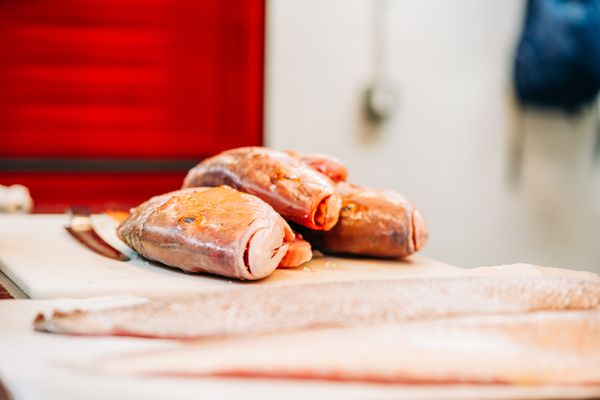
The fish counter at a Little River, FL grocery store that understands the neighborhood is not just a display case. It is a sourcing point for specific species and cuts that traditional recipes depend on. Whole red snapper for pwason boukannen, conch for lambi, yellowtail snapper for escovitch, firm fillets for brown stew fish. These are conversations that happen at the counter, and a counter staffed by people familiar with these dishes can guide those conversations usefully.
Prepared foods and ready-to-eat items. Many Little River households, especially those with working adults and busy weekday schedules, rely on a mix of home cooking and prepared foods throughout the week. A good local grocery store that carries prepared Haitian or Caribbean foods, rice and beans, stewed meats, fried plantains, pikliz, and similar items, functions as a genuine convenience without requiring a drive to a separate restaurant.
What Little River Shoppers Can Find Locally That Others Drive Across Miami to Source
This is one of the less obvious advantages of shopping at a Little River, FL grocery store for anyone who cooks in Caribbean or Haitian traditions.
Many of the ingredients that are genuinely difficult to find in other Miami neighborhoods are simply available here as regular stock items. Driving to Hialeah for certain Latin ingredients, to a specialty Caribbean market in North Miami Beach for salted cod, or to a specific produce stand for malanga and batata is a real part of life for Miami households that cook in these traditions but live in the wrong zip code.
In Little River, driving around is largely unnecessary. Malanga, yuca, plantains at every ripeness, scotch bonnet peppers, epis, pikliz, whole fish suited for Caribbean preparations, conch, dried shrimp, bacalao, coconut milk in multiple formats, canned ackee, browning sauce, and the full range of aromatics and spices that appear across Haitian and Caribbean recipes are available at a well-stocked local store.
That local availability has real value in time, fuel, and the simple satisfaction of finishing a grocery trip in one stop. For someone new to the neighborhood who is also new to cooking in these traditions, it means ingredients are accessible enough to learn with. For a longtime household that already knows exactly what it needs, it means the weekly routine stays efficient.
How Little River Households Combine Grocery Shopping With Neighborhood Food Traditions
Shopping in Little River does not always happen in a single efficient loop. For many households, it is woven into the rhythm of the neighborhood itself. You stop at the store on the way back from dropping the kids at school. You pick up a whole fish on Thursday because you know the weekend is when you have time to cook it properly. You grab a container of rice and beans on a Tuesday when no one has time to cook from scratch.
The Little River food scene is not defined by restaurants in the way that other Miami neighborhoods are. It is defined by home cooking, by the smell of epis and scotch bonnet coming through apartment windows, by the Haitian grandmother who makes soup joumou on New Year’s Day, by the family that fires up the grill on Saturday afternoon and does pwason boukannen for half the block.
The grocery store is the infrastructure that supports all of that. It is where the ingredients for those traditions are sourced. When the store reflects the neighborhood well, that connection is seamless. When it does not, it creates a friction that adds up over time and pushes shoppers to drive further than they should have to.
A Little River, FL grocery store that stocks the right produce, the right seafood, the right pantry staples, and the right prepared foods functions as a genuine neighborhood institution rather than just a convenient location.
A Starter Shopping List for Someone New to Little River
If you have recently moved to Little River and want to stock a kitchen that reflects how the neighborhood cooks, here is a practical starting point. This is not a recipe list. It is a pantry and fresh goods orientation built around what Little River households keep on hand and reach for most often.
Pantry staples to stock first: White rice and dried beans, particularly black beans and kidney beans, form the base of more meals than almost anything else. Pick up cooking oil, flour, cornmeal, canned coconut milk, canned tomatoes, and tomato paste. Salted codfish, bacalao, is worth having even if you do not plan to cook with it immediately, as it appears in more dishes than most newcomers expect. Browning sauce, allspice, and dried thyme round out a basic Caribbean pantry.
Aromatics and peppers to always have fresh: Garlic, scallions, fresh thyme, parsley, onion, and scotch bonnet peppers are the building blocks of both Haitian epis and most Caribbean seasoning bases. If the store carries prepared epis, buy a jar to start and make your own once you understand the flavor profile you are working toward.
Produce to buy regularly in small amounts: Plantains at different ripeness levels, green for tostones and ripe for maduros, are in constant rotation. Avocado, tomatoes, and bell peppers appear in most dishes. Malanga and yuca are worth trying early if you plan to explore Haitian cooking. Fresh limes or sour oranges are essential for marinades and finishing.
Seafood to explore at the fish counter: Start with whole red snapper if you are grilling or frying. Ask the counter staff what came in fresh that day. If conch is available, it is worth trying once you have a basic lambi recipe to follow. Shrimp is the most forgiving starting point if you are new to Caribbean seafood cooking.
Prepared foods to lean on during the week: Rice and beans, fried plantains, and stewed meats are worth picking up ready-made on busy weekdays. They hold up well and pair with whatever fresh protein you cook at home. Pikliz, the spicy pickled condiment, is worth having in the refrigerator at all times once you have tried it once.
Key Food North Miami: Your Little River, FL Grocery Store
Key Food North Miami is positioned to serve Little River shoppers across all of the categories this guide covers. The produce section carries the tropical and Caribbean items that make a full one-stop shop possible. The fish counter stocks whole fish, conch, shrimp, and fresh fillets with the neighborhood’s cooking traditions in mind. The pantry aisles carry the Haitian and Caribbean staples that Little River households reach for every week.
For someone new to the neighborhood building a kitchen from scratch, Key Food North Miami is the right starting point. For a longtime Little River resident who knows exactly what they need, it is the store designed to have it. Whatever your connection to this neighborhood, the grocery run does not have to be complicated.
Visit Key Food North Miami and stock your kitchen the way Little River cooks.
FAQs: Shopping, Cooking, and Living in Little River
- What is Little River, FL known for? Little River is a Miami neighborhood known for its strong Haitian cultural identity, its emerging arts and design district, and its diverse demographic mix. It sits just north of Little Haiti and shares much of that neighborhood’s cultural character while developing its own distinct food and creative scene. The Little River Haitian community has shaped the neighborhood’s food culture, local businesses, and community life for decades.
- Where can I find Haitian and Caribbean groceries in Little River, FL? A well-stocked Little River, FL grocery store will carry the staples that Haitian and Caribbean households rely on, including plantains, malanga, yuca, scotch bonnet peppers, epis, salted codfish, whole fish suited for grilling and frying, conch, dried shrimp, canned ackee, browning sauce, and coconut milk. Key Food North Miami stocks these items as regular inventory rather than specialty goods.
- What groceries should I buy first when moving to Little River? Start with pantry staples like white rice, dried beans, canned coconut milk, and salted codfish. Stock fresh aromatics including garlic, scallions, scotch bonnet, and thyme. Buy plantains at different ripeness levels and a firm whole fish from the seafood counter to start learning the neighborhood’s cooking style. Prepared rice and beans or pikliz from the store are useful to have on hand for busy weekdays.
- How does the Little River food scene differ from other Miami neighborhoods? Little River’s food scene is centered more on home cooking and neighborhood-rooted traditions than on restaurant culture. The Haitian and Caribbean cooking traditions that define many households here rely on ingredients and preparations not widely available in other parts of Miami, which means a good local grocery store plays a more central role in daily food life than it might elsewhere.
- What makes a Little River grocery store different from a standard supermarket? A grocery store built for Little River stocks the ingredients that reflect how this neighborhood actually cooks. That means Caribbean and Haitian staples on the main shelves, tropical produce in real variety and quantity, a fish counter carrying whole fish and shellfish suited for traditional preparations, and staff familiar with the cooking culture of the community they serve. That combination is what separates a neighborhood store from a generic supermarket dropped into the area.
- Can I do a full weekly shop at a Little River grocery store without driving to specialty markets? Yes, if the store is well-stocked for the neighborhood. The ingredients that Little River households use most, from malanga and plantains to whole snapper and bacalao, should be available in one stop. Key Food North Miami is designed to make that possible, reducing the need to drive to Hialeah, North Miami Beach, or elsewhere for ingredients that should be available locally.
- Where is a good grocery store near Little River, FL for Caribbean and Haitian ingredients? Key Food North Miami serves Little River shoppers with a full range of Caribbean and Haitian staples, fresh seafood, tropical produce, and everyday grocery items. It is built to match the shopping rotation of a Little River household without requiring multiple stops across Miami.