In Brownsville, grocery shopping is rarely a once-a-week “big trip.” It is more like a steady rhythm.
Milk runs out midweek. Dinner needs a quick fix. Someone remembers school snacks at the last minute. And when time and budgets are tight, the idea of driving across town for basics stops being practical fast.
That is why a Brownsville grocery store that is close, predictable, and easy to shop becomes more than a place to buy food. It becomes a support system for daily life.
Brownsville is a historically Black neighborhood in Miami-Dade, with deep roots and well-known local landmarks. It is also a community where many households are balancing real financial pressure, with ZIP code level estimates showing higher poverty rates than many areas nearby. In that context, “nearby” is not a preference. It is a strategy.
Here is why Brownsville shoppers consistently choose close-to-home grocery options, and what people really mean when they search grocery store Brownsville, local supermarket Brownsville, or plan their Brownsville grocery shopping week.
1) Because time is not flexible, even when the list is
Most families are not shopping with open hours to spare. They are fitting groceries around school pick-ups, work shifts, appointments, and everything else happening in the week.
A nearby grocery store helps because:
- Quick trips feel doable instead of stressful
- You can buy what you need without turning it into a whole event
- Small restocks become normal, not annoying
This is one of the biggest reasons shoppers stick with a local supermarket Brownsville families can reach easily. It lets them handle life’s “we ran out” moments without losing half the day.
2) Because “food access” is not equal everywhere
When grocery options are farther away, the hidden costs stack up. More gas. More time. More dependence on rides. Less flexibility for last-minute restocks.
The USDA Food Access Research Atlas defines “low access” in part by distance from a supermarket, supercenter, or large grocery store. That definition matters because distance shapes what families can realistically buy and how often they can shop.
So when Brownsville shoppers prefer nearby stores, it is often about reducing friction. If groceries are closer, families can shop more consistently and avoid the cycle of stretching food too long because the next trip feels hard.
3) Because smaller shopping trips reduce waste
A lot of families do not want to overbuy fresh items “just in case,” then watch them spoil.
Nearby shopping supports:
- Buying produce in smaller amounts more often
- Picking up fresh items based on what you are actually cooking
- Avoiding big waste from one oversized trip
That is why Brownsville grocery shopping often looks like two or three smaller trips a week, especially for produce and quick meal ingredients.
4) Because budget pressure makes convenience part of affordability
People hear “convenience” and assume it means paying more. In reality, nearby shopping can reduce spending in very practical ways.
It cuts:
- Fuel costs
- Impulse purchases that happen when a trip feels like a “big outing”
- Last-minute takeout because you could not justify a long grocery run
With ZIP code estimates showing economic pressure in the broader Brownsville area, savings are not theoretical. A nearby Brownsville grocery store helps families stay in control of spending because the trip itself is less costly.
5) Because staple reliability matters more than “perfect selection”
Most shoppers do not need a store to carry everything. They need it to carry what they buy weekly, consistently.
That usually means:
- Bread, eggs, milk
- Rice, pasta, canned items
- Affordable proteins
- Produce basics (onions, garlic, bananas, tomatoes)
- Snacks and lunch supplies
If a grocery store can deliver those staples without surprises, it becomes the default. That reliability is a major reason shoppers prefer local options over farther, “bigger” stores.
6) Because neighborhood familiarity builds trust
People return to stores where they feel comfortable. Staff recognize regulars. Shoppers learn the layout. They know where the best-value items are and which days restocks are strongest.
That familiarity matters in long-established communities like Brownsville, which has deep local history and identity. A nearby store becomes part of the neighborhood routine, not just a stop.
7) Because many households are multicultural and shop with specific staples in mind
Census data for Brownsville (city/CDP context) shows a substantial foreign-born share, reflecting the broader Miami area’s multicultural makeup.
In multicultural households, “nearby” becomes even more valuable when the store carries the right pantry basics and familiar brands. If shoppers can get the staples they actually cook without traveling far, they stick with that store.
8) Because “nearby” supports restaurant style cooking at home
When budgets tighten, more people cook at home. But they still want meals to taste good and feel satisfying.
Nearby stores make it easier to keep a “flavor pantry” stocked:
- Spices, sauces, rice, pasta
- Onions, garlic, citrus
- Quick proteins and frozen veg for weeknight meals
That turns grocery shopping into a weekly system instead of a scramble.
What to look for in a grocery store Brownsville shoppers can rely on
If you are comparing brownsville grocery stores, the most practical signs of a good nearby option are simple:
- Clear pricing and consistent value options
- Staple items that stay in stock
- Produce you can buy in realistic quantities
- Quick dinner ingredients that reduce takeout spending
- Easy in-and-out shopping, not a confusing layout
These are the things that make a store truly support the neighborhood.
Make Brownsville grocery shopping easier with Key Food North Miami
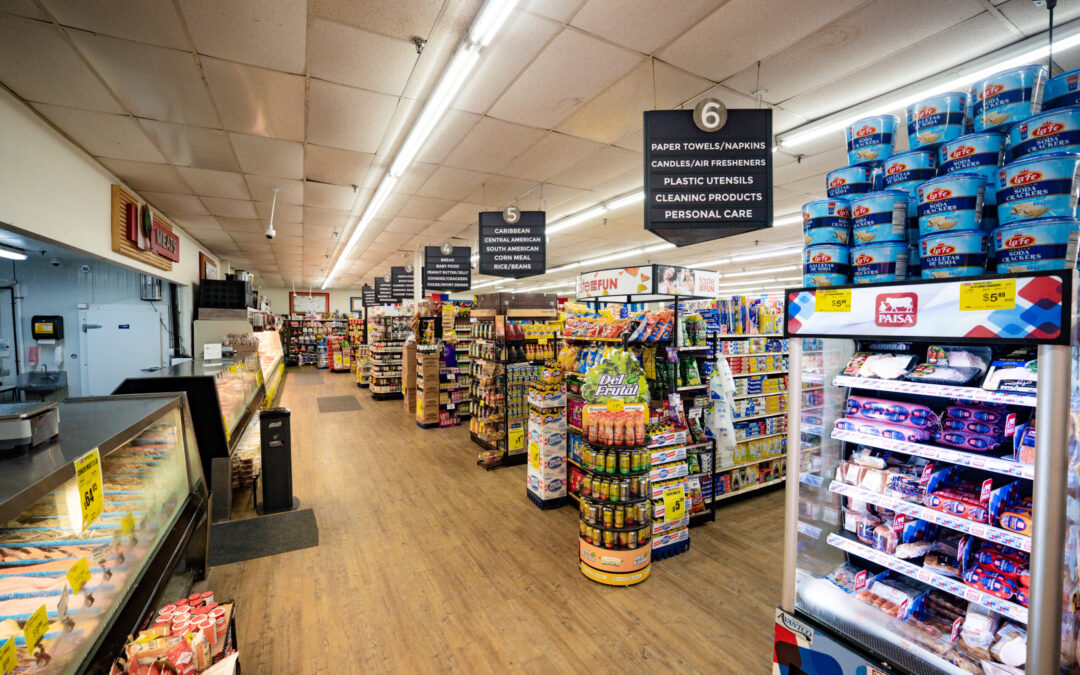
If you want a nearby grocery option that keeps shopping simple, Key Food North Miami is an easy choice for staples, weeknight ingredients, and quick restocks. They highlight convenient parking to keep trips faster and less stressful, so you can shop for what you need and get back to your day.
You can also check their store info for address, hours, and directions before you head out.
FAQs
1) Why do people search “brownsville grocery store” instead of driving to bigger stores?
Because nearby shopping saves time, reduces transport costs, and makes smaller, more frequent restocks possible. For many households, that is the difference between staying on budget and constantly overspending.
2) What does “local supermarket Brownsville” usually mean?
It usually means a store that supports real weekly life: consistent staples, affordable options, and quick trips that do not require a long drive.
3) Is distance to grocery stores considered a real barrier?
Yes. The USDA Food Access Research Atlas uses distance to supermarkets and large grocery stores as part of how it measures “low access” areas.
4) Why do Brownsville shoppers often do multiple small trips instead of one huge trip?
Because smaller trips reduce food waste, help families buy produce closer to when they will actually use it, and keep weekly spending more controlled.
5) How does budget pressure change brownsville grocery shopping habits?
Households focus more on staples, quick home meals, and avoiding waste. In areas with higher poverty rates, being able to shop closer and more efficiently can matter a lot.
6) Why does neighborhood trust matter in grocery shopping?
Familiarity reduces friction. Shoppers know the layout, the best-value items, and the rhythm of the store, which makes shopping faster and less stressful.
7) Why is multicultural selection important for grocery store Brownsville shoppers?
Many Miami-area households cook with specific staples and seasonings tied to culture. When a nearby store carries those essentials consistently, it reduces the need for extra trips.
8) What is a practical nearby option if I want a quick, predictable grocery run?
Key Food North Miami emphasizes convenient parking and directs customers to its store info for hours and directions, which helps shoppers plan faster trips.