
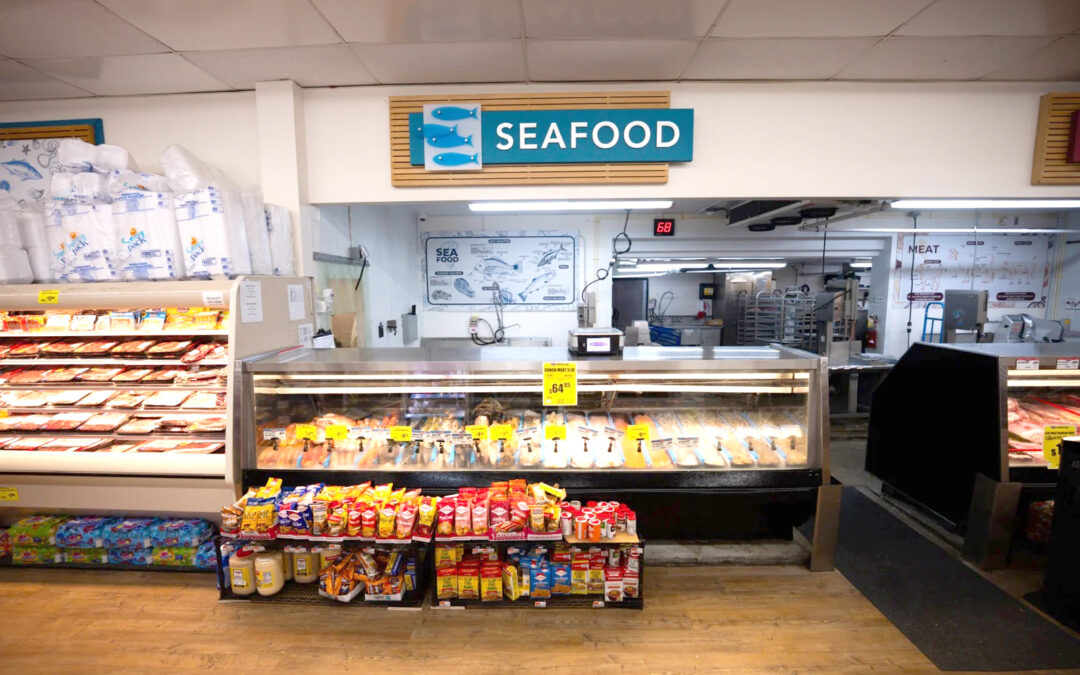
If you have ever bought seafood that smelled “fine” at the store but turned questionable once you got home, you already know the truth.
Seafood is not forgiving.
With produce, you might trim a soft spot and move on. With bread, you toss it and it is annoying. With seafood, freshness is the entire experience. It affects taste, texture, smell, safety, and whether you feel confident cooking it at all.
That is why a Little River seafood market has to operate differently than a regular aisle of packaged food. Freshness is not a marketing word here. It is a system. It is daily decisions, temperature control, handling discipline, and a store culture that treats seafood like a priority, not a department you check on when you have time.
This guide walks you through how a fish market in Little River maintains daily freshness, what happens behind the counter that most shoppers never see, and how to spot the difference between truly fresh seafood and seafood that is simply being “kept on display.”
Freshness is built before the seafood even arrives at the store
A good seafood department does not start with the display case. It starts with how the store thinks about sourcing and timing.
Local seafood markets that maintain strong freshness typically focus on:
- Frequent deliveries instead of larger, less frequent shipments
- Ordering that matches realistic demand, so product does not sit too long
- Supplier relationships that support consistent standards
- Clear receiving routines so seafood moves quickly into proper cold storage
For a seafood store in Little River, freshness depends on turnover. The more predictable and steady the flow is, the less time the product spends sitting, and the more confident a shopper can feel.
The cold chain is everything
Seafood freshness is basically a temperature story.
From the moment seafood is harvested, it needs to stay in controlled cold conditions. If the cold chain breaks, even briefly, quality drops fast.
A reliable Little River seafood market prioritizes cold chain discipline through:
Proper receiving procedures
When seafood arrives, it should not sit in a warm receiving area. Good operations move it immediately into cold holding. It is a simple step, but it is one of the biggest points where freshness can be lost.
Cold storage that is organized, not overcrowded
Seafood needs space and airflow. When storage is packed too tightly or disorganized, it is harder to keep product consistently cold and easier for older product to get lost behind newer stock.
Case temperatures that stay stable
The display case is not just about appearance. The case must hold temperature consistently across the entire surface. Hot spots can create quality issues even when the seafood looks fine from the front.
When a fish market in Little River takes cold chain seriously, you see it in the product. Firmer texture. Cleaner smell. Better cooking results.
Ice is not decoration. It is part of the freshness system
Most people see ice in a seafood case and assume it is there for looks. But ice management is a real operational practice.
In a strong Little River seafood market, ice does more than sit under the product. It is used intentionally to keep seafood cold, supported, and properly drained.
That often includes:
- Keeping seafood nestled in ice rather than sitting flat in warmth-prone areas
- Refreshing ice throughout the day, not only at opening
- Ensuring proper drainage so seafood is not soaking in meltwater
- Separating product types to reduce cross-contamination and odor transfer
When ice is managed well, the display stays cleaner and the seafood holds quality longer throughout the day.
Handling practices separate “fresh” from “fresh enough”
A lot of seafood quality is lost through small handling mistakes.
Even if seafood arrives in great condition, it can deteriorate if staff handling is inconsistent.
A reliable seafood store in Little River maintains freshness through habits like:
Clean tools and surfaces, consistently
Cutting boards, knives, and prep areas need frequent cleaning. Seafood leaves residue quickly, and that residue affects smell and quality if it lingers.
Quick processing and minimal exposure
Seafood should not sit out on a counter while other tasks happen. Good departments move with purpose. Prep, portion, package, and return to cold holding quickly.
Separation of product types
Fish, shellfish, and other seafood items should be handled thoughtfully to avoid flavor transfer and odor mixing. Even if everything is technically “seafood,” not everything should be stored and processed the same way.
Staff training that focuses on quality cues
Freshness is something experienced seafood staff can recognize. Texture, smell, color, and firmness matter. The best markets do not treat it as subjective.
Daily freshness is not one action. It is hundreds of small actions done correctly.
Rotation and turnover keep the case honest
A market can look stocked and still be selling seafood that has been sitting too long.
That is where rotation comes in.
A strong fish market in Little River uses clear rotation practices so older product does not linger in the case. This is not just about dates on packaging. It is about internal routines, labeling, and staff awareness.
Freshness-friendly rotation often includes:
- Receiving logs and clear timing for when product arrived
- “First in, first out” discipline that is actually followed
- Regular checks throughout the day, not only at opening
- Removing product that no longer meets quality standards instead of “hoping it sells”
Shoppers might not see rotation happening, but they feel the difference when the seafood cooks clean and tastes sweet instead of flat.
Cleanliness is a freshness indicator, not a cosmetic detail
Seafood cases tell a story.
If a case looks messy, has a strong lingering odor, or appears poorly maintained, freshness is already compromised. Even if the seafood itself looks acceptable, a poorly maintained environment can accelerate quality issues.
A Little River seafood market that protects daily freshness typically maintains:
- Clean case glass and clean metal surfaces
- Controlled smell in the department, not overpowering “fishiness”
- Tidy ice beds and organized product layout
- Staff who keep the area tidy during busy periods, not only at the end of the day
A clean seafood department signals discipline. And discipline is what creates consistent freshness.
What “fresh seafood” should look and smell like
Many shoppers avoid seafood because they do not feel confident judging freshness. But there are practical cues anyone can use when shopping for fresh seafood in Little River.
Smell should be clean, not strong
Fresh seafood should smell like the ocean, not like a fishy odor that hits you immediately.
Fish should look moist, not slimy
A healthy sheen is normal. Sticky slime is not.
Flesh should look firm
Soft, mushy, or “falling apart” texture is a red flag.
Color should look natural
Discolored edges, dullness, or browning are signs of age.
These cues matter because a good market is not only selling “seafood.” It is selling confidence.
Why local markets focus on daily rhythm, not weekly stocking
Seafood cannot be managed like canned goods.
A reliable Little River seafood market often runs on a daily rhythm:
- Early receiving or early case setup
- Regular mid-day checks
- Restocking based on demand
- Quick adjustments when certain items move faster than expected
- Quality review to avoid end-of-day decline
This is one reason local seafood markets can feel more dependable. They are designed around freshness as a daily priority, not a weekly inventory process.
How shoppers can keep seafood fresh after they leave the store
Daily freshness does not end at the checkout.
If seafood sits in a warm car, or you run errands for an hour with shrimp in the trunk, even the best market cannot protect the result.
If you are buying fresh seafood in Little River, protect it with simple habits:
- Shop seafood last, not first
- Bring an insulated bag or cooler if you can
- Go straight home when possible
- Refrigerate immediately
- Cook within a day when possible for best texture and flavour
A great market helps you start strong, but how you handle it after matters too.
Where Key Food North Miami fits into Little River seafood shopping
If you are shopping for seafood near Little River, you are likely looking for two things at once: freshness and convenience.
Key Food North Miami supports seafood shoppers who want dependable options without turning dinner into a guessing game. Whether you are planning a quick weeknight meal or stocking up for a weekend dish, the goal is the same: seafood that feels trustworthy when you bring it home, season it, and cook it.
If you want a better seafood experience, shop where freshness is treated like a daily system, not a label.
Buy seafood with confidence, not guesswork
If you want seafood that cooks clean, tastes fresh, and feels worth the money you spend, choose a market that treats freshness as a daily priority. Visit Key Food North Miami for dependable seafood options and a shopping experience that makes it easier to bring home meals you actually feel good serving.
FAQs: Little River Seafood Freshness
What makes a Little River seafood market “fresh” daily?
Daily freshness comes from cold-chain control, frequent receiving, proper ice management, clean handling, and strong rotation practices that prevent seafood from sitting too long.
How can I tell if a fish market in Little River is maintaining freshness well?
Look for a clean case, controlled smell, firm-looking fish, tidy ice beds, and an overall department that feels maintained throughout the day.
Should fresh seafood in Little River smell fishy?
It should smell clean and ocean-like. Strong fishy odor often indicates age or poor handling.
Why does ice management matter in a seafood store in Little River?
Ice helps maintain cold temperature and supports product quality, but it must be refreshed and drained properly so seafood is not sitting in meltwater.
What is the biggest cause of seafood quality dropping in stores?
Temperature breaks and poor handling are major causes, along with weak rotation that allows the product to sit too long.
How should I shop to keep seafood fresh after purchase?
Buy seafood last, use an insulated bag if possible, go home promptly, refrigerate immediately, and cook within a day for best quality.
Is it better to buy seafood packaged or from the counter?
Both can be good if handled properly. The key is overall department discipline, cold holding, and turnover.
Why do local seafood markets often feel fresher than general stores?
They typically focus on daily rhythm, frequent checks, and tighter handling routines because seafood quality is a core part of their reputation.