There is a reason you keep going back to the same store in Little River, even when the bigger chains advertise louder sales. It is not just a habit. It is how that trip feels, how quickly you get in and out, and how confident you are that the food you bring home will actually be used and enjoyed.
For many households, a Little River grocery store that is close, predictable, and personal quietly beats the bigger options. This is not about trends. It is about what works on a busy weekday night, on a Saturday stock-up, and on the days when you need something familiar fast.
If you have ever walked into a huge supermarket and left tired and annoyed, this guide is worth your time. It explains why local stores still win in Little River, what they offer that big chains do not, and how to get more out of your neighborhood trips.
1. Local Stores Feel More Human, Not Just More Convenient
A local grocery Little River residents trust does more than save a few minutes of driving. It changes the entire tone of the errand.
In a smaller store, you notice things right away:
- You recognize the people at the register and at the meat or seafood counters.
- You can ask quick questions and get real answers instead of a shrug.
- You do not feel rushed out the door the moment you walk in.
Over time, that familiarity matters. Staff remember how you like certain cuts, which brands you ask for, or what you usually buy for your family.
A big box supermarket might have more aisles, but it rarely has that feeling. In a true Little River grocery store, you feel like part of a routine that makes sense instead of just another person in a crowd.
2. Freshness You Can Actually See And Taste
People in Little River care about fresh food, but they also care about not wasting money on food that spoils too quickly. A strong grocery store Little River shoppers rely on understands both sides.
What local shoppers look for in freshness is simple and specific:
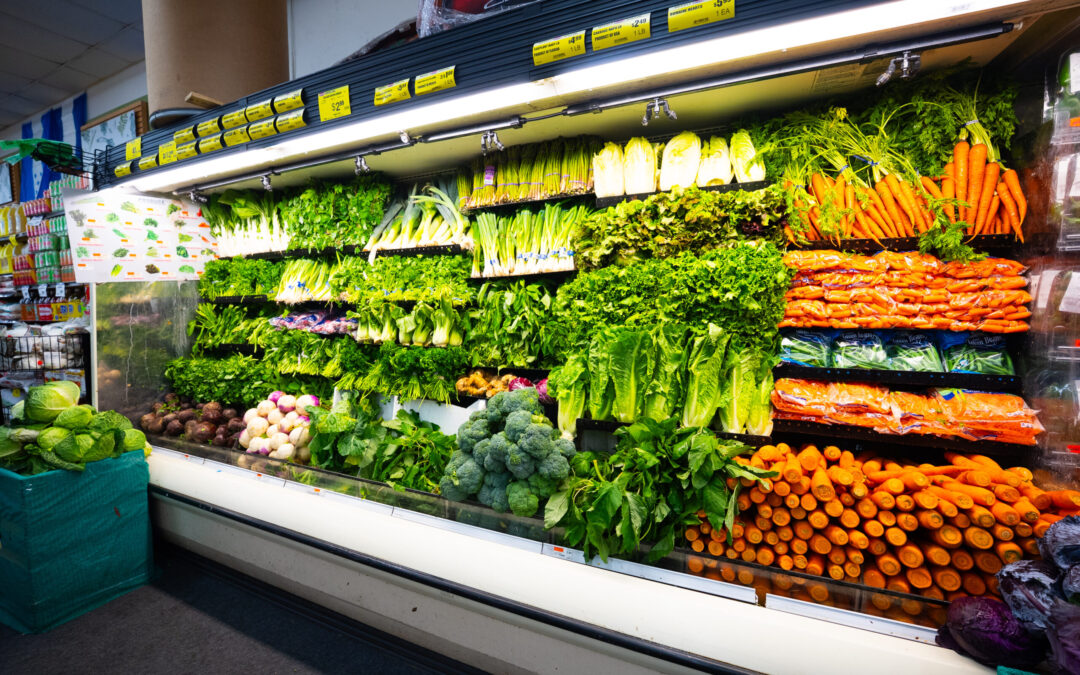
- Produce that looks alive, not tired. Greens that are crisp, fruit that still has good color, herbs that do not wilt the moment you bring them home.
- Meat and seafood that feel safe to cook. Clean smells, proper packaging, and storage that shows someone is paying attention to temperature and rotation.
- Bakery and dairy that match real routines. Bread that does not stale in a day, milk and cheese with respectable dates, and items stocked in realistic amounts.
Because a little river food market works with a tighter space and more frequent restocking, it often has better control over what stays on the shelf. Instead of large pallets sitting too long, products move at a pace that fits local demand.
The result is simple. You are more likely to use what you buy, and you spend less time throwing food away.
3. Shelves That Reflect Little River, Not Just a National Plan
Little River is not a generic neighborhood. It is a mix of cultures and cooking styles that show up in real kitchens. A local grocery Little River families love will make room for that.
In one trip, you might find:
- Ingredients for rice and beans, stews, and slow-cooked comfort meals.
- Spices, marinades, and seasonings that match Caribbean, Latin, and Southern cooking.
- Tropical produce that feels like home for many households in the area.
- Everyday American staples that keep weekday meals simple.
This is what separates a true little river food market from a store that just follows a national stocking plan. Instead of filling shelves with whatever sells everywhere else, the store pays attention to what people in the neighborhood are actually cooking.
That means you can pick up ingredients for a family recipe without driving around to multiple places. You can try something new from a neighboring culture without hunting through specialty shops. The variety feels natural instead of random.
4. Less Time Lost To Long Walks And Long Lines
One of the biggest hidden costs of shopping at massive stores is time.
You park far away. You weave through crowded aisles. You backtrack because you missed the one product you needed. Then you stand in a long line. By the time you leave, a “quick stop” has turned into a chunk of your afternoon.
A Little River grocery store with a smaller, smarter layout quietly fixes that:
- You know where everything is after a few visits.
- You move from produce to meat, to pantry, to dairy in a straight line.
- You are in and out fast enough that the trip does not take over your day.
It is not just about convenience. When the errand is faster and calmer, you make better choices. You are more likely to stick to your list, notice freshness, and think about actual meals instead of grabbing random items because you feel rushed.
5. Simple, Understandable Pricing Instead Of Constant Games
Big chains are known for apps, digital coupons, and complicated promotions. Some shoppers enjoy that. Many do not.
For a lot of families, it is more important that prices stay steady and that savings are straightforward. A neighborhood grocery store little river residents return to often focuses on:
- Weekly specials that are clear and easy to spot.
- Prices that do not swing wildly from one week to the next.
- Deals on items people actually buy, not only on unusual products.
There is less “Buy three, get one if you scan this” and more “Here is what is on sale this week.” That simplicity makes it easier to plan meals, control the budget, and leave the store feeling like you did not need a calculator to shop.
6. A Store That Feels Like Part of Little River, Not Just Built In It
A true little river grocery store does not just sit on the corner. It connects to the area in quiet ways that build trust over time.
You might see:
- Donation drives for local schools, teams, and community programs.
- Seasonal displays that reflect local holidays and traditions.
- Support for neighborhood events or small vendors who bring in specialty items.
These may seem like small things, but they change how people feel when they walk in. Shopping at a local grocery Little River residents know well feels like supporting the area itself, not just sending money to a distant office.
When your food budget also helps keep local jobs and local efforts going, that trip to the store carries more meaning.
7. Simple Habits That Help You Get More From Your Local Store
If you already shop at a little river food market or want to rely more on one, a few small habits can make each trip even more useful.
You can:
- Visit at similar times each week so you learn when produce, meat, and bakery items are at their best.
- Talk to the staff at the counters and ask what came in fresh that day.
- Build a basic list of “always buy here” items, such as staple vegetables, favorite cuts, and household basics that are consistently good.
- Keep an eye on weekly deals for items you use often instead of chasing every discount at different stores.
Those habits turn a simple errand into a routine that protects your budget, your time, and your meals. Over time, you start to trust that your local grocery trip will work for you instead of against you.
Choosing Local When You Want Grocery Shopping To Feel Easier
At the end of the week, it is not the biggest building or the loudest sale that wins. It is the store that helps you get home faster, cook with confidence, and feel good about where your money goes.
That is why so many people in Little River still prefer a local grocery experience. A Little River grocery store that stays close to the neighborhood’s tastes, habits, and pace of life simply fits better.
If you are looking for that kind of trip, Key Food North Miami is designed to feel like a neighborhood store for Little River shoppers. You find the familiar brands, the fresh staples, and the mix of cultures you cook with every week, without turning grocery day into a chore.
Next time you think about driving farther for a bigger store, try keeping it close instead. Shop like a local, support a store that reflects Little River, and see how much easier the weekly grocery run can feel.
FAQs: Little River Grocery Shopping
Why do so many people still shop at a Little River grocery store instead of big chains?
Many shoppers prefer a Little River grocery store because it is easier, quicker, and feels more personal. The store is closer, the layout is simpler, and the products feel like they were chosen for the neighborhood, not for a national template. You get what you need without turning grocery day into an exhausting errand.
What makes a local grocery Little River shoppers trust different from a big supermarket?
A local grocery Little River residents rely on usually has shorter lines, more familiar faces, and products that match the way people here actually cook. You are more likely to find the mix of staples, tropical produce, and cultural ingredients you use every week. It feels like a store built for the area, not just dropped into it.
Can a Little River food market still offer fresh produce and quality meat?
Yes. A good Little River food market focuses on freshness because they know word travels fast in the neighborhood. Smaller stores tend to restock more frequently and pay closer attention to what is moving, so fruits, vegetables, meats, and seafood are turned over regularly instead of sitting around too long.
Is shopping at a grocery store Little River locals use more expensive than going to a big-box chain?
Not necessarily. Many neighborhood stores keep prices steady and offer weekly specials on the items families buy most. You also save on time, gas, and wasted food because you are more likely to use what you buy when it is fresh and chosen carefully.
Do local grocery stores in Little River carry international or cultural products?
Yes, that is usually one of their strengths. A true Little River grocery store will stock ingredients that reflect the community, including Latin, Caribbean, and American staples side by side. That makes it easier to cook family recipes without driving across town to a specialty shop.
How does a local grocery Little River residents shop at help with quick, after-work trips?
Because the store is smaller and familiar, you can get in and out quickly. You know where things are, you are not walking half a mile of aisles, and you are not stuck in long lines. That makes it easier to stop in for fresh items on a busy night instead of giving up and ordering takeout.
Are Little River food markets good for weekly stock-up trips or only for “small” shops?
They work for both. You can do a full weekly stock-up on pantry items, produce, meat, and dairy, then use the same Little River grocery store for quick top-ups later in the week. Once you know the rhythm of the store and when fresh items hit the shelves, it is easy to build a routine around it.
How does shopping at a local grocery Little River store support the community?
Your grocery budget helps keep local jobs and local services going. Many neighborhood stores support nearby schools, community events, and small suppliers, so the money you spend has a way of circulating back into Little River. It feels less like sending everything to a distant headquarters and more like investing where you live.
Where does Key Food North Miami fit into grocery shopping for Little River residents?
Key Food North Miami serves as a convenient Little River food market for shoppers who want freshness, familiar brands, and a mix of global and everyday staples in one place. It offers the feel of a local grocery Little River families like, with the range of products needed for real weekly cooking. You get the neighborhood experience without giving up variety.
How can I get more out of my trips to a Little River grocery store like Key Food North Miami?
Try visiting at similar times each week so you learn when produce and fresh items are at their best. Talk to staff about what came in that day and build a simple list of “always buy here” staples you trust. Over time, your local grocery Little River routine becomes faster, easier, and more reliable than chasing every sale at different stores.