Every seafood lover in North Miami knows the feeling. You walk into a market, see rows of fish on ice, and suddenly you start second guessing everything. Is the snapper actually fresh? Is the salmon firm or already soft? Is the shrimp clean enough to bring home? One wrong choice can ruin dinner, waste money, or worse, make someone sick.
And did you know that most shoppers cannot tell the difference between a truly fresh fish and one that has already begun to lose quality? It is more common than people think. The color might look right, the ice might fool you, and one quick glance is never enough.
If you want to stop gambling with your meals, you need to know the signs that seafood is fresh, clean, and safe. This guide breaks it down in a simple, clear way so the next time you visit a fish market in North Miami, you can choose confidently and avoid the seafood that only looks fresh on the surface.
Below are the most important things to look for, the mistakes shoppers make, and the fresh seafood tips that help you buy the right catch every single time.
1. Check the Smell Before You Check Anything Else
One quick sniff tells you more than anything else in the store. Fresh fish does not smell strong. It should have a mild, clean scent that reminds you of the ocean, not something sour or overly fishy. If the odor is sharp, unpleasant, or makes you pull back, that is already a sign the fish is past its best condition.
A good seafood counter keeps the surroundings clean and odor free. When you shop for seafood North Miami, trust your nose first. It never lies.
2. Look at the Eyes: Clear, Bright, and Full
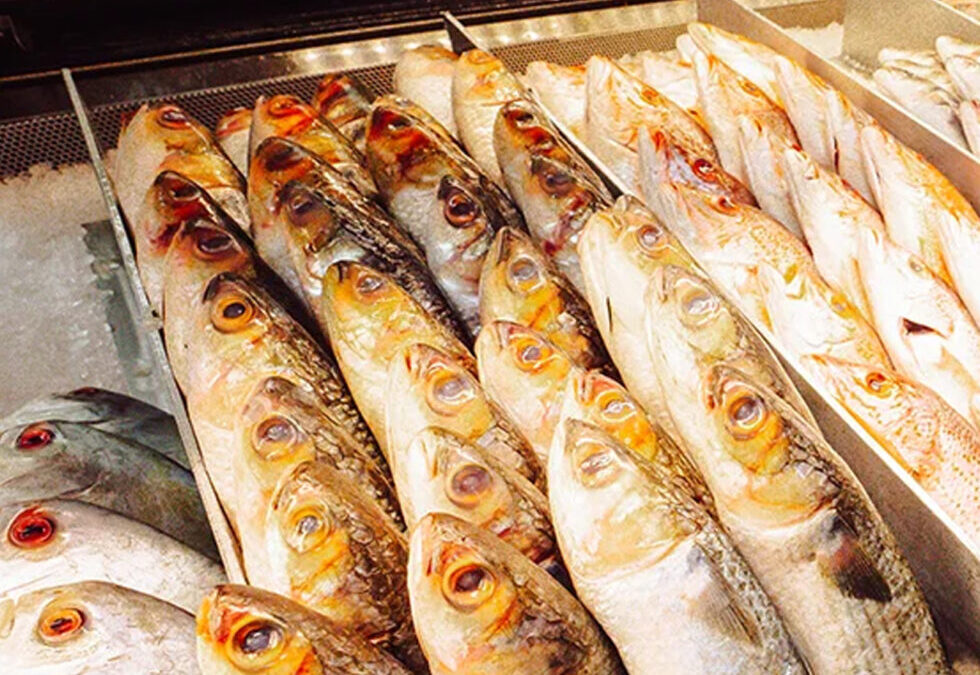
Whole fish should have eyes that look alive. Bright, clear, and slightly bulging. If the eyes are cloudy, dull, sunken, or grayish, the fish is not fresh anymore.
Fish markets that care about quality rotate their stock often. When you see clear eyes on snapper, porgy, or kingfish, that is a reliable sign you are taking home something worth cooking.
3. Touch the Flesh. Fresh Fish Should Feel Firm
You do not have to press hard. A gentle poke is enough. Fresh fish springs back. It should feel firm and bounce slightly under your finger.
If the flesh stays dented, feels mushy, watery, or overly soft, it is losing freshness. The difference becomes obvious when you start cooking. Firm fish cooks cleanly. Soft fish falls apart, dries out, or tastes off.
These details matter a lot when shopping at any fish market in North Miami.
4. Check the Color and Moisture
Fresh fish looks vibrant. Salmon should be bright. Snapper should have a natural sheen. Fillets should not look dull or dry. Too much moisture, however, can also be a red flag. Excess water sometimes means the seafood has been sitting for too long and is starting to lose quality.
The best seafood counters keep everything chilled properly, not swimming in melting ice.
5. Inspect the Gills if You Are Buying Whole Fish
This is a step many shoppers skip. Gills tell the truth. Fresh fish have gills that are red or deep pink. If the gills look brown, gray, or faded, the fish has been sitting out longer than it should have.
When a market maintains good turnover, the gills will always look healthy and bright.
6. Shrimp, Crab, and Shellfish Should Look Clean
Here are fresh seafood tips for shellfish:
- Shrimp should be firm and not smell like ammonia.
- Blue crabs should feel heavy for their size.
- Shellfish should never be slimy.
- Mussels and clams should be closed tightly or close when tapped.
Shellfish spoil faster than fish, so inspecting them carefully matters even more.
7. Buy From a Market That Handles Seafood Correctly
Even the best seafood spoils quickly if the store does not handle it the right way. Look for counters where:
- The ice is clean and not melting.
- The fish is arranged neatly, not stacked.
- Staff wear gloves and handle seafood properly.
- You see regular restocking.
Shopping for seafood in North Miami should feel easy when the market takes freshness seriously.
8. Ask the Staff What Came In Today
There is no shame in asking. It is one of the smartest ways to get the freshest catch. Ask what was delivered that morning. Ask what is at peak quality. Ask what they personally recommend for the dish you want to cook.
Markets that care about their customers will always tell you the truth because they want you to come back.
9. Know the Red Flags of Old Seafood
Avoid fish that shows any of these signs:
- A sour or strong smell
- Fillets that look dull, dry, or discolored
- Ice that looks dirty or watery
- Shellfish that look slimy
- Whole fish with sunken, cloudy eyes
- Gills that are brown instead of red
- Seafood sitting at room temperature
If you see even one of these signs, choose something else. Your meal will taste better and you avoid unnecessary risks.
Why Freshness Matters More in North Miami
North Miami cooks a lot of seafood. From Haitian bouyon to Jamaican escovitch fish to Cuban seafood stews, the community depends on seafood that tastes clean and cooks properly. When the fish is not fresh, the flavor changes, the texture breaks down, and the dish loses everything that makes it special.
This is why picking the right seafood is not just a preference. It is part of the culture. It protects your health. It protects your budget. And it helps your recipes turn out the way they are meant to taste.
A good fish market in North Miami understands how important this is. They know families expect quality. They know seafood must be kept cold. They know freshness must be consistent. And when you shop at the right market, cooking seafood becomes a lot more enjoyable.
Choose Fresh Seafood at a Market North Miami Families Trust
If you want seafood that feels clean, smells fresh, and cooks beautifully, start with a supermarket that knows how important quality is. At Key Food North Miami, you can shop confidently for fish, shrimp, crab, and shellfish that are delivered fresh, kept cold, and handled with care from the moment they arrive.
Visit Key Food and bring home seafood that tastes as good as the meals you plan to make.
FAQs
1. What makes seafood “fresh” when shopping in North Miami?
Fresh seafood should smell clean, feel firm, and look naturally vibrant. When you shop for seafood North Miami, the fish should not have a strong or sour odor, the fillets should spring back when pressed lightly, and the eyes of whole fish should look bright and clear. Proper freshness also depends on how well the seafood is handled. The best markets keep their counters cold, restock frequently, and use clean ice to preserve quality from delivery to checkout.
2. How can I tell if the fish at a market is still good to cook?
Check three things: smell, texture, and color. A mild scent is ideal. The flesh should not feel mushy or watery. It should be firm enough to hold its shape. Look closely at the color. Dull or grayish tones can indicate age. These fresh seafood tips apply to everything from snapper and salmon to kingfish and tilapia. Trust your senses. If something feels off, choose a different piece.
3. What are the signs that seafood has started to go bad?
Spoilage shows up through smell and texture first. Old seafood may have a sour or sharp odor, slimy texture, or flesh that breaks apart too easily. Whole fish may have cloudy or sunken eyes, and their gills may look brown instead of bright red. Shellfish that smell like ammonia, feel sticky, or remain open when tapped are no longer safe to eat. When shopping at any fish market North Miami, avoid seafood with any of these signs.
4. What should I look for when buying shrimp, crab, or shellfish?
Fresh shrimp should look firm, not slimy, and should smell clean rather than sharp. Crabs should feel heavy for their size, which usually means they are full. Mussels and clams should be tightly closed or close when tapped. Shellfish spoil quickly, so a clean scent and firm texture are non-negotiable. These small details go a long way toward cooking safely and enjoying real flavor.
5. How important is ice and temperature in keeping seafood fresh?
Temperature control determines whether seafood stays safe and flavorful. Fish should always be stored on clean, crushed ice or kept cold inside a chilled display. The ice should not be melting into a pool of water. Proper refrigeration prevents bacteria from developing and preserves the natural texture of the seafood. When a market handles its seafood properly, you will notice the difference as soon as you start cooking.
6. Should I buy whole fish or fillets?
Both are good options, but whole fish often gives clearer signs of freshness. You can check the eyes, gills, and overall appearance to make sure it is in good condition. Fillets require you to rely more on smell, texture, and color. If you are unsure, ask the staff to help you choose the pieces that came in recently. Markets that take pride in quality will guide you toward the freshest choices.
7. How do I store seafood after bringing it home?
Place seafood in the coldest part of your refrigerator and use it the same day for best results. If you will cook it tomorrow, keep it wrapped properly and set it on a plate with ice inside the fridge. For longer storage, freeze the seafood as soon as you get home. Proper storage keeps the texture firm and prevents spoilage. Following these steps helps you make the most of your purchase.
8. Do I need to wash fish before cooking it?
It depends. Whole fish should be cleaned and gutted, which markets can often do for you. Fillets typically do not need rinsing and should go straight into the pan or oven. Washing seafood in the sink may spread bacteria if not handled carefully. Ask the seafood counter to prepare it the way your recipe requires, so you can go home and start cooking right away without worrying about the extra mess.
9. Is it better to shop early in the day for fresh seafood?
Yes. Markets receive deliveries in the morning, so shopping early gives you the best selection. It also means the seafood has not sat on the counter for long. Ask the staff what came in that day. A good fish market North Miami will let you know the freshest fish or shellfish available so you can choose confidently.
10. Where can I buy fresh, high-quality seafood in North Miami?
The simplest way to find consistently fresh seafood is to shop at a market that prioritizes handling, cleanliness, and regular restocking. Stores like Key Food North Miami receive fresh deliveries, store everything on clean ice, and prepare your fish the way you need it. If you want seafood that tastes clean, cooks well, and gives you real value for your money, choose a supermarket that takes freshness seriously.